
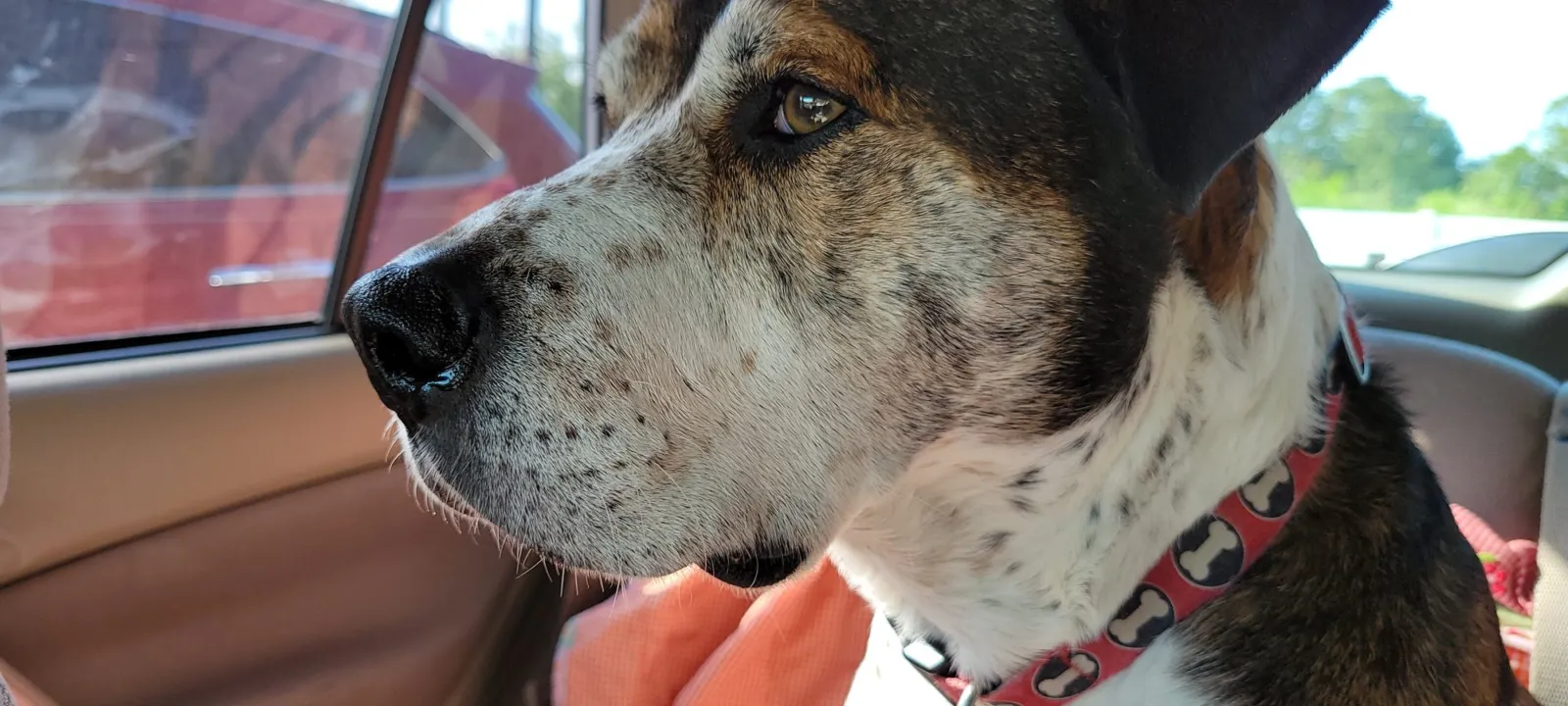
Most visitors never meet most of this. Florida is a big state and its wildlife changes a lot from region to region - a cane toad is a South Florida backyard problem, a black bear is a central and north Florida one, and a crocodile only matters in the far south. These guides are here for the encounter you do have, not because one is likely.
Cane toad poisoning is one of Florida’s most urgent dog emergencies.
Cane toads have large poison glands behind the head. When a dog bites or mouths the toad, toxin can be released directly into the dog’s mouth.
Signs can develop rapidly.
If you suspect cane toad exposure: clean the mouth immediately and contact a veterinarian right away.
Step 1: Get the Dog Away From the Toad
Move the dog away immediately.
Do not let it:
- Bite again
- Lick the toad
- Eat the toad
Keep yourself from touching toxin around your:
- Eyes
- Mouth
- Broken skin
Step 2: Wipe the Mouth
UF/IFAS recommends thoroughly wiping the dog’s mouth with a damp cloth.
Wipe:
- Gums
- Tongue
- Inside cheeks
Use a fresh section of cloth repeatedly.
The goal is to physically remove sticky toxin.
Step 3: Rinse So Water Flows OUT
UF/IFAS also recommends rinsing the mouth for about:
15 minutes
Keep the dog’s head angled so water flows:
Out of the mouth — not down the throat.
Do not force water into the back of the mouth.
Step 4: Call a Veterinarian Immediately
Do not assume cleaning the mouth is enough.
Cane toad toxin can cause severe:
- Neurologic effects
- Heart rhythm problems
- Seizures
- Collapse
Go to emergency veterinary care if instructed — and if the dog is already showing serious signs, leave immediately while someone else calls ahead if possible.
Common Signs of Cane Toad Poisoning
UF/IFAS lists signs including:
- Very pink or red gums
- Excessive drooling
- Frothing
- Pawing at the mouth
- Head shaking
- Loss of coordination
- Seizures
- Cardiac arrest
Other reported signs include:
- Vomiting
- Abnormal heartbeat
- Weakness
- Paralysis
Do Not Wait for Severe Symptoms
A dog may deteriorate quickly.
If you saw the dog:
- Bite
- Mouth
- Lick
a suspected cane toad, act immediately.
There Is No Home Antidote
Do not rely on:
- Milk
- Food
- Oils
- Human medication
- Internet remedies
Mouth decontamination is first aid — not a substitute for veterinary care.
Do Not Induce Vomiting
The toxin is absorbed through the mouth.
Inducing vomiting does not solve that problem and can create additional risk.
Cane Toad or Native Toad?
Large adult cane toads are often around:
6 to 9 inches
while Florida’s native southern toad is much smaller.
But juvenile toads can be difficult to identify.
If the dog is symptomatic, do not waste time trying to make a perfect species identification.
Cane Toads Are Mostly Nocturnal
Adult cane toads are most active at night.
Use extra caution during:
- Evening walks
- Night potty breaks
- Rainy weather
Pet Food Attracts Toads
UF/IFAS says outdoor dog and cat food can attract cane toads.
Bring pet food indoors, especially overnight.
Check the Yard First
At night:
- Turn on lights
- Scan the yard
- Use a flashlight
- Keep dog on leash if cane toads are common locally
Eggs and Tadpoles Are Toxic Too
Cane toads are toxic throughout their life cycle.
Do not let dogs investigate:
- Egg strings
- Tadpoles
- Small toadlets
in ponds or ditches.
Emergency Checklist
- Move dog away
- Wipe mouth with damp cloth
- Rinse about 15 minutes with water flowing out
- Call veterinarian immediately
- Go to emergency care
- Watch breathing, coordination and heart-related signs
Related Guides
- Cane Toads: One of Florida’s Biggest Dog Dangers
- Bufo Toad Poisoning: What to Do
- Florida Wildlife Emergency Checklist for Pet Travelers
- What to Do if Your Dog Is Bitten by a Snake
Cane toad exposure is not a wait-and-see problem.
The best response is immediate mouth cleaning followed by veterinary care.
Sources
- UF/IFAS — The Cane or “Bufo” Toad in Florida: ask.ifas.ufl.edu
- UF/IFAS — Cane Toad Topic: ask.ifas.ufl.edu