
Most visitors never meet most of this. Florida is a big state and its wildlife changes a lot from region to region - a cane toad is a South Florida backyard problem, a black bear is a central and north Florida one, and a crocodile only matters in the far south. These guides are here for the encounter you do have, not because one is likely.
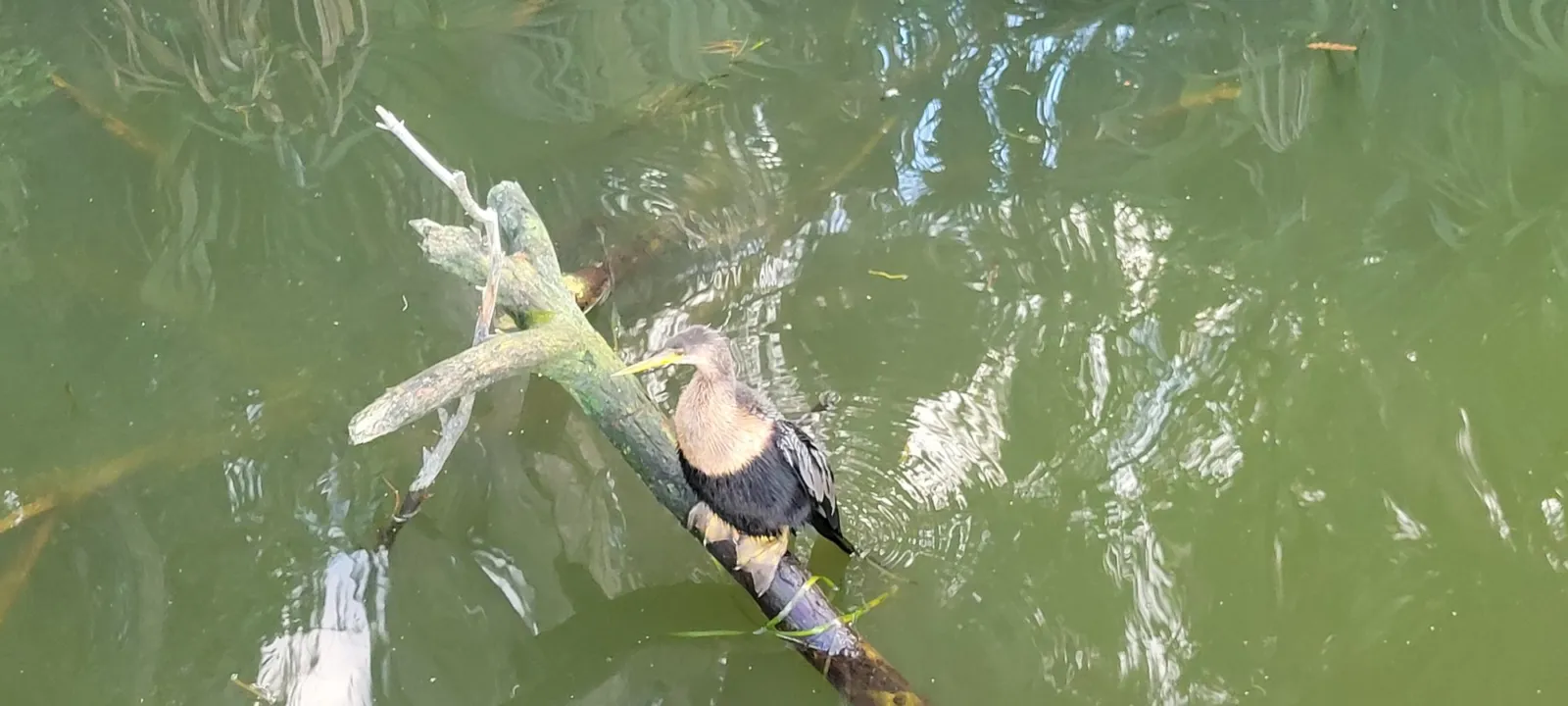
Florida has extraordinary birdlife.
That includes:
- Shorebirds
- Wading birds
- Raptors
- Cranes
- Ground-nesting species
Dogs can disturb birds even without catching them.
For pet owners:
Keep dogs leashed and away from nesting, resting and feeding birds.
Shorebirds
Florida beaches support birds such as:
- Plovers
- Terns
- Skimmers
- Sandpipers
Many nest directly on sand.
A running dog can:
- Flush adults
- Separate chicks
- Cause nest abandonment
- Push birds into unsafe areas
Least Terns
Least terns nest in open sandy areas.
Their nests can be extremely hard to see.
Stay outside posted nesting zones.
Black Skimmers
Black skimmers often nest in colonies on beaches and gravelly open ground.
Dogs should never enter colony areas.
Snowy Plovers
Snowy plovers are small shorebirds that can be difficult to see against sand.
Keep dogs away from posted nesting habitat.
Wilson’s Plovers
Wilson’s plovers use beaches and coastal flats.
Respect seasonal closures and buffers.
Sandhill Cranes
Sandhill cranes are large birds common in parts of Florida.
They can defend themselves aggressively if a dog approaches too closely.
Do not let dogs chase cranes in:
- Neighborhoods
- Golf courses
- Parks
- Roadside grass
Herons and Egrets
Large wading birds such as:
- Great blue herons
- Great egrets
have long, sharp bills.
A cornered bird can injure a dog.
Pelicans
Pelicans may gather around:
- Piers
- Fish-cleaning stations
- Marinas
Keep dogs away from feeding flocks and injured birds.
Ospreys and Eagles
Do not allow dogs to disturb:
- Nesting raptors
- Grounded injured birds
Contact wildlife professionals for injured protected birds.
Burrowing Owls
Burrowing owls nest on the ground in open areas, especially in South Florida.
Dogs should stay away from marked burrows.
Florida Scrub-Jays
Florida scrub-jays are protected native birds.
Do not let dogs chase them or enter sensitive habitat off-trail.
Muscovy Ducks
Muscovy ducks are common around canals and neighborhoods.
Even though they are nonnative, do not let dogs harass or attack them.
Birds Around Fishing Areas
Dogs should be kept away from:
- Pelicans
- Herons
- Gulls
around fishing piers because birds may already be at risk from:
- Hooks
- Line
- Bait
Nesting Season
Florida shorebird nesting can occur during spring and summer, though timing varies by species and location.
Obey:
- Signs
- Ropes
- Temporary closures
Why Leash Rules Matter
A dog does not have to catch a bird to cause harm.
Repeated disturbance forces birds to spend energy fleeing instead of:
- Feeding
- Incubating eggs
- Protecting chicks
- Resting during migration
If You Find an Injured Bird
Keep your dog away.
Do not allow the dog to:
- Mouth
- Carry
- Paw
the bird.
Contact a licensed wildlife rehabilitator or local wildlife authority.
Best Bird-Safety Checklist
- Dog leashed
- Avoid nesting zones
- Do not chase cranes
- Stay away from wading birds
- Keep dog away from injured birds
- Respect seasonal closures
- Avoid fishing-bird conflicts
Related Guides
- Shorebirds, Nesting Season and Dogs
- Sea Turtles and Dogs on Florida Beaches
- Pelicans and Pets
- Sandhill Cranes and Pets
- Florida Birdwatching With a Dog
- Florida Wildlife With Pets: Complete Guide
Florida’s birds are one of the best parts of traveling here.
The safest way to enjoy them with a dog is to watch together from a respectful distance.
Sources
Wear this page
Pet Friendly Florida shirts, drawn to match what you just read. This is our own store, not an affiliate link.


