
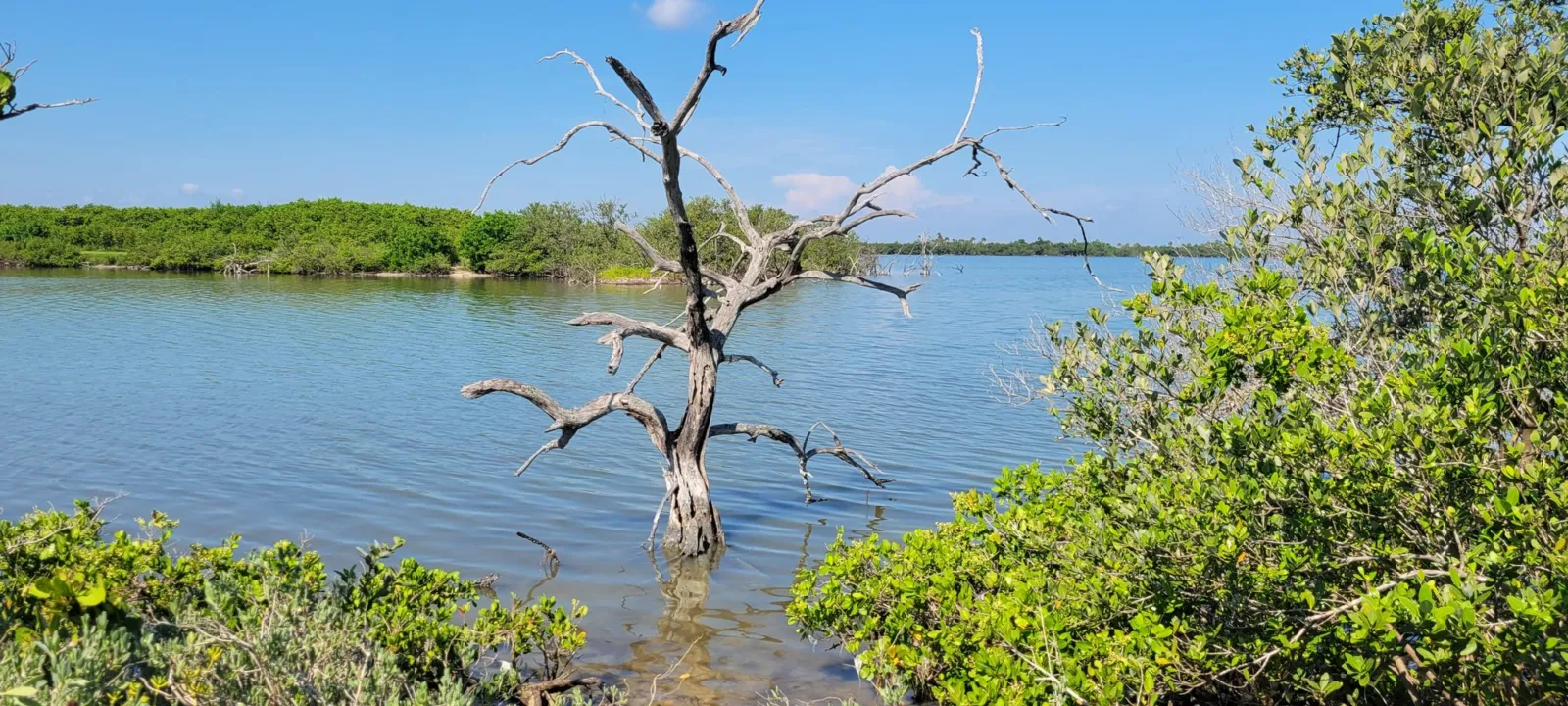
Most visitors never meet most of this. Florida is a big state and its wildlife changes a lot from region to region - a cane toad is a South Florida backyard problem, a black bear is a central and north Florida one, and a crocodile only matters in the far south. These guides are here for the encounter you do have, not because one is likely.
Florida is full of spectacular wildlife-viewing destinations.
The challenge for dog owners is that many famous wildlife sites either:
- Do not allow pets
- Restrict pets to certain areas
- Have wildlife hazards that make a dog a poor fit
So this list focuses on places where a leashed dog can be part of at least some of the outdoor experience.
Always check the exact park page before driving over. Pet rules can vary by trail, beach and facility.
1. Paynes Prairie Preserve State Park
Near Gainesville, Paynes Prairie is one of Florida’s most unusual landscapes.
Wildlife may include:
- Wild horses
- Bison
- Alligators
- Nearly 300 bird species
Florida State Parks currently lists pet-friendly access in many outdoor areas under the statewide pet policy.
Dog Strategy
Keep the dog:
- On 6-foot hand-held leash
- On trail
- Far from wildlife
- Far from water edges
Why It Stands Out
This may be the most dramatic wildlife landscape in Florida where a dog can still accompany you on appropriate trails.
2. Pumpkin Hill Creek Preserve State Park — Jacksonville
Pumpkin Hill protects coastal uplands near Jacksonville.
The area can offer views of:
- Birds
- Marsh wildlife
- Coastal habitat
It is a strong option for dog owners who want nature without relying on a crowded beach.
3. River Rise Preserve State Park
River Rise is associated with the Santa Fe River system and quiet wooded habitat.
It is a good fit for:
- Hiking
- Birding
- Wildlife watching
with a controlled dog where permitted.
4. Savannas Preserve State Park — Port St. Lucie
Savannas Preserve protects southeast Florida wetland and savanna habitat.
It can be excellent for:
- Birds
- Wetland scenery
- Wildlife observation
Dog Caution
Wetland habitat means potential:
- Alligators
- Snakes
Keep dogs away from water.
5. Babcock Ranch Preserve
Babcock Ranch Preserve in Southwest Florida supports wildlife including:
- Roseate spoonbills
- Other wading birds
Current FWC recreation guidance allows dogs for non-hunting purposes under physical restraint and says they may not pursue wildlife.
Why It Works
That rule is exactly what a pet-friendly wildlife outing should look like.
6. St. Johns County Beaches
St. Johns County beaches are unusually useful because many areas allow leashed dogs.
Wildlife can include:
- Shorebirds
- Dolphins offshore
- Sea turtles during nesting season
- Pelicans
Important
Stay away from:
- Marked turtle nests
- Shorebird nesting zones
- Bird flocks
Anastasia State Park is a separate case: ordinary pets are not allowed on its beach.
7. Volusia County Dog-Friendly Beach Areas
Current Volusia dog-beach zones give pet owners legal opportunities to watch:
- Shorebirds
- Pelicans
- Dolphins offshore
while walking with a leashed dog.
The wildlife rule is still:
Do not let the dog chase birds.
8. Fort De Soto Park
Fort De Soto combines:
- Coastal habitat
- Birding
- Dog Beach
- Trails
- Fishing areas
It is one of the best all-around outdoor destinations for dog travelers in the Tampa Bay area.
Keep the dog away from protected bird areas.
9. Sanibel Dog-Friendly Beaches
Current regional guidance includes leashed-dog access at locations such as:
- Gulfside City Beach
- Blind Pass Beach
Wildlife viewing may include:
- Shorebirds
- Dolphins offshore
- Wading birds
10. Key West and Monroe County Parks
Monroe County’s current park guidance broadly allows leashed pets at county parks.
Depending on the exact location, you may see:
- Shorebirds
- Iguanas
- Feral chickens
- Marine wildlife offshore
Always check the individual site.
Florida State Park Pet Rules
Florida State Parks says well-behaved pets are welcome in many parks on:
6-foot hand-held leashes
in appropriate:
- Hiking areas
- Picnic areas
- Campgrounds
However, pets are generally prohibited from:
- Beaches
- Boardwalks
- Buildings
- Bathing areas
- Playgrounds
unless a park has a specific exception.
Honeymoon Island has a designated pet-friendly beach section.
Famous Wildlife Places Where Ordinary Pets May Not Be a Good Fit
Some of Florida’s best-known wildlife attractions have stronger restrictions.
Florida State Parks currently lists exceptions to the normal pet policy including:
- Ellie Schiller Homosassa Springs Wildlife State Park
- Weeki Wachee Springs State Park
- Skyway Fishing Pier State Park
- Lignumvitae Key Botanical State Park
- Egmont Key State Park
Do not assume every outdoor wildlife attraction is dog-friendly.
Wildlife-Viewing Rules With a Dog
Wherever you go:
- Keep dog leashed
- Stay on trail
- Give wildlife space
- Do not feed animals
- Keep away from water edges
- Respect seasonal closures
- Pick up pet waste
Best Places by Wildlife Interest
Best large-animal landscape: Paynes Prairie Best Northeast Florida nature: Pumpkin Hill Creek Preserve Best southeast wetland scenery: Savannas Preserve Best Southwest Florida wading birds: Babcock Ranch Preserve Best wildlife + dog beach combination: Fort De Soto Best Northeast Florida beach wildlife: St. Johns County beaches Best Southwest Florida coastal dog walk: Sanibel
Related Guides
- Florida Birdwatching With a Dog
- Florida Wildlife With Pets: Complete Guide
- Shorebird Nesting Season by Florida Coast
- Best Pet-Friendly Beaches in Florida
- Alligators and Dogs in Florida
The best pet-friendly wildlife trip is not the place where your dog gets closest to the animals.
It is the place where you can both enjoy Florida outdoors without changing the wildlife’s behavior.
Sources
- Florida State Parks — Pet Policy: floridastateparks.org
- Florida State Parks — Find a Park: floridastateparks.org
- Florida Fish and Wildlife Conservation Commission — Wildlife Viewing: myfwc.com
- FWC — Babcock Ranch Preserve Recreation: myfwc.com