
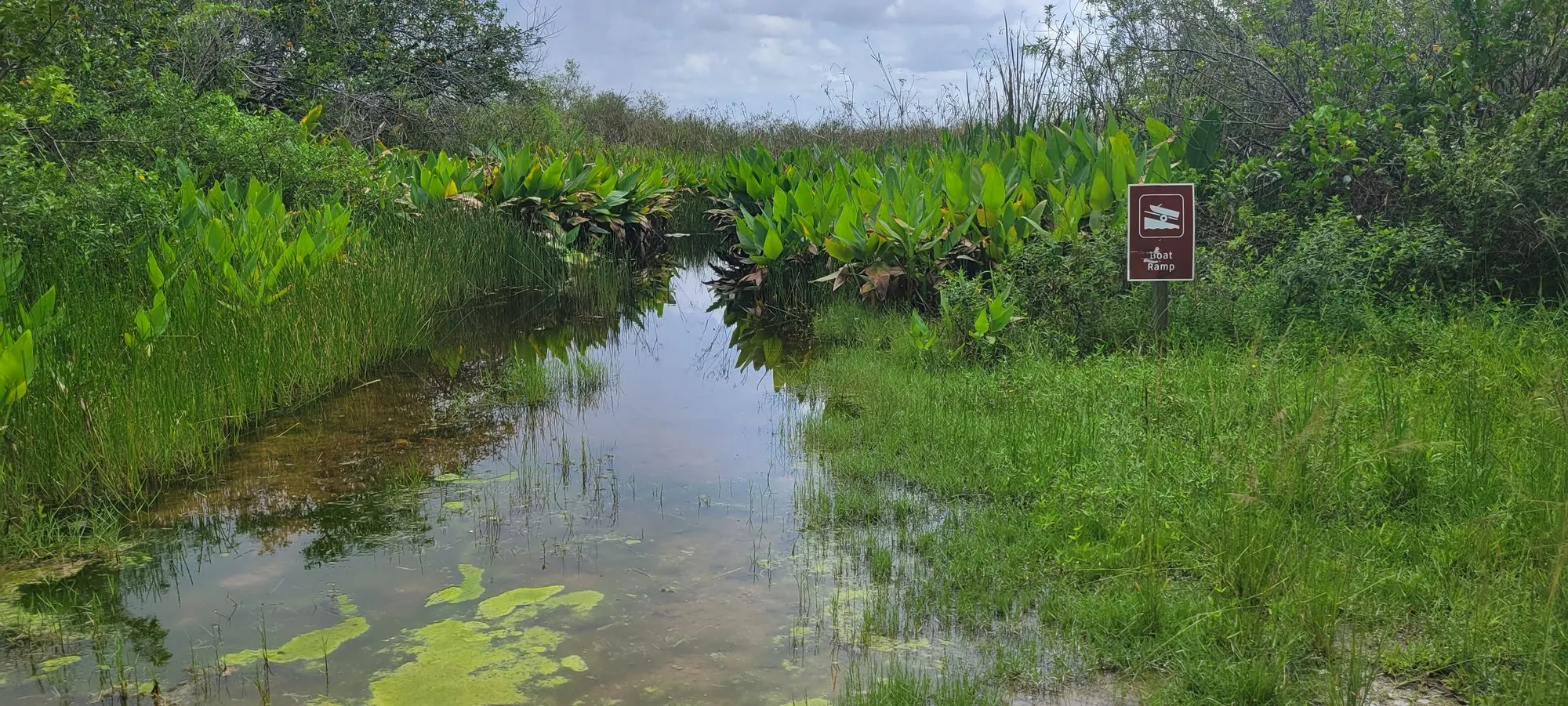
Most visitors never meet most of this. Florida is a big state and its wildlife changes a lot from region to region - a cane toad is a South Florida backyard problem, a black bear is a central and north Florida one, and a crocodile only matters in the far south. These guides are here for the encounter you do have, not because one is likely.
Blue-green algae can make a dog seriously sick, and it can kill one. The toxins these blooms produce can damage the liver and the nervous system, and dogs get a bigger dose than people because they drink the water, eat the scum and lick it off their coats afterward. If Florida fresh water looks green, scummy or smells off, keep your dog out of it and away from it – no wading, no drinking, no “just a quick dip.”
What blue-green algae is and where Florida gets it
Blue-green algae is really cyanobacteria, a microscopic organism that the state’s water-quality site says occurs frequently in Florida’s fresh water. Several species can produce toxins (cyanotoxins) in fresh and brackish water. A bloom happens when the conditions line up: sunny days, warm water, still water and plenty of nutrients from runoff.
Lake Okeechobee is the name most Floridians know, and county health departments around the lake have issued repeated blue-green algae health alerts for it. The state has also documented blooms in the Indian River Lagoon and the St. Johns River. But a bloom does not need a famous lake. Canals, slow creeks, golf-course lakes and the retention pond behind your rental can all bloom. The Florida Department of Health says harmful blooms usually happen in summer or early fall, which is exactly when visitors with dogs are looking for somewhere to cool off.
What a bloom looks like (and why color alone is not enough)
The Florida Department of Health describes blooms as discolored water that can be bright green, blue-green, brown or even red. They can show up as paint-like streaks on the surface, a dense scum or foam, and they may give off an unpleasant odor. The ASPCA describes toxic water as often looking like pea-green paint or slime.
Here is the catch: cyanobacteria can be spread through the whole water column, not just floating on top. Do not rely on color alone. If there is an advisory, a posted sign or anything that looks like paint on the water, treat the whole area as off limits.
Why dogs get sick before people do
Florida health officials say animals show the effects of these toxins before humans do, and pets may become ill simply from eating algae or cleaning contaminated fur. A wading person mostly gets skin contact. A dog drinks the water, swims through the bloom and then licks its coat clean, eats scum or algae mats washed up on the edge (a concentrated dose), and eats dead fish on the shoreline.
A dog does not need to drink an entire pond to become exposed. Keep dogs out of water with a suspected bloom entirely – off the edge too. The ASPCA lists cats alongside dogs as animals cyanobacteria poisons, so outdoor cats near canals and ponds are at risk the same way.
Splashing also matters. The Department of Health notes that when boats or activity break up algae cells, toxins can get into the air in spray. A retriever launching off a dock over and over is doing exactly that.
Signs of poisoning and when to go to the vet
Depending on which toxin is involved, the ASPCA lists vomiting, diarrhea, drooling, panting, disorientation, seizures, respiratory failure and liver failure. You may also see weakness, tremors, trouble walking or collapse. Do not wait to see whether the dog “sleeps it off.”
Pet Help lists emergency vets for the counties it covers so far, along with the ASPCA poison control number. Call as soon as you see symptoms.
Call a veterinarian right away if your dog ate visible algae or scum, drank from a bloom, or swam in bloom water and then licked itself – even if it seems fine. Go straight to the nearest emergency vet if you see seizures, stumbling, labored breathing or collapse. On the way, you or a passenger can call ASPCA Animal Poison Control at 888-426-4435 (a consultation fee may apply). If people were exposed too, the Florida Poison Information Center is at 800-222-1222.
If your pet gets sick after contact with bloom water, the Department of Health also wants to hear about it. They follow up on pet exposures because a sick dog can be an early warning for people.
If your dog already went in
- Get the dog out of the water immediately and move it away from the shoreline.
- Stop it from licking its coat or paws. A leash held short and a towel over the back buys time.
- Rinse it thoroughly with clean fresh water from the bottle you brought, or the first hose or outdoor shower you can reach. Wear gloves if you have them.
- Call your vet and describe exactly what happened, including whether the dog swallowed water or scum.
- Watch closely for the signs above over the rest of the day.
And do not try to make bloom water drinkable. Health officials say boiling does not remove the toxins.
Checking conditions before you go
Florida’s Protecting Florida Together water-quality dashboard shows current bloom information and is worth a look before boating, fishing, hiking around lakes or visiting a freshwater dog area. If you see a bloom that has not been reported, the Florida Department of Environmental Protection takes reports 24 hours a day at ReportAlgalBloom.com or 1-855-305-3903.
A freshwater fishing trip with a dog puts the dog on exactly the shoreline where blooms collect, and dead fish from affected water are off limits – see what to do if your dog eats a dead fish.
Retention ponds are not dog ponds
A neighborhood pond can be risky even though no one would call it a recreation area. Stormwater ponds collect fertilizer runoff, sit still in the heat and can bloom. They may also hold alligators. Keep dogs out of them, full stop.
Blue-green algae is not red tide
These are two different hazards. Blue-green algae is cyanobacteria, usually in fresh or brackish water. Red tide is a marine bloom, caused in Florida by Karenia brevis, and it hits Gulf and coastal beaches. Dogs should avoid both when a bloom is present. See our guide to red tide and dogs for the saltwater side.
What to pack and what to do
- Carry enough fresh water and a bowl for the whole outing, so the dog has no reason to drink from a lake, pond or canal.
- Check the state dashboard and local health alerts before any freshwater outing, especially from summer through early fall.
- Pack a spare gallon of water and a towel in the car for an emergency rinse.
- Save your vet’s number, the nearest emergency vet and ASPCA Animal Poison Control (888-426-4435) in your phone before you leave.
If the water looks suspicious, skip it. Our Florida wildlife emergency checklist for pet travelers covers the rest of the kit.