Most visitors never meet most of this. Florida is a big state and its wildlife changes a lot from region to region - a cane toad is a South Florida backyard problem, a black bear is a central and north Florida one, and a crocodile only matters in the far south. These guides are here for the encounter you do have, not because one is likely.
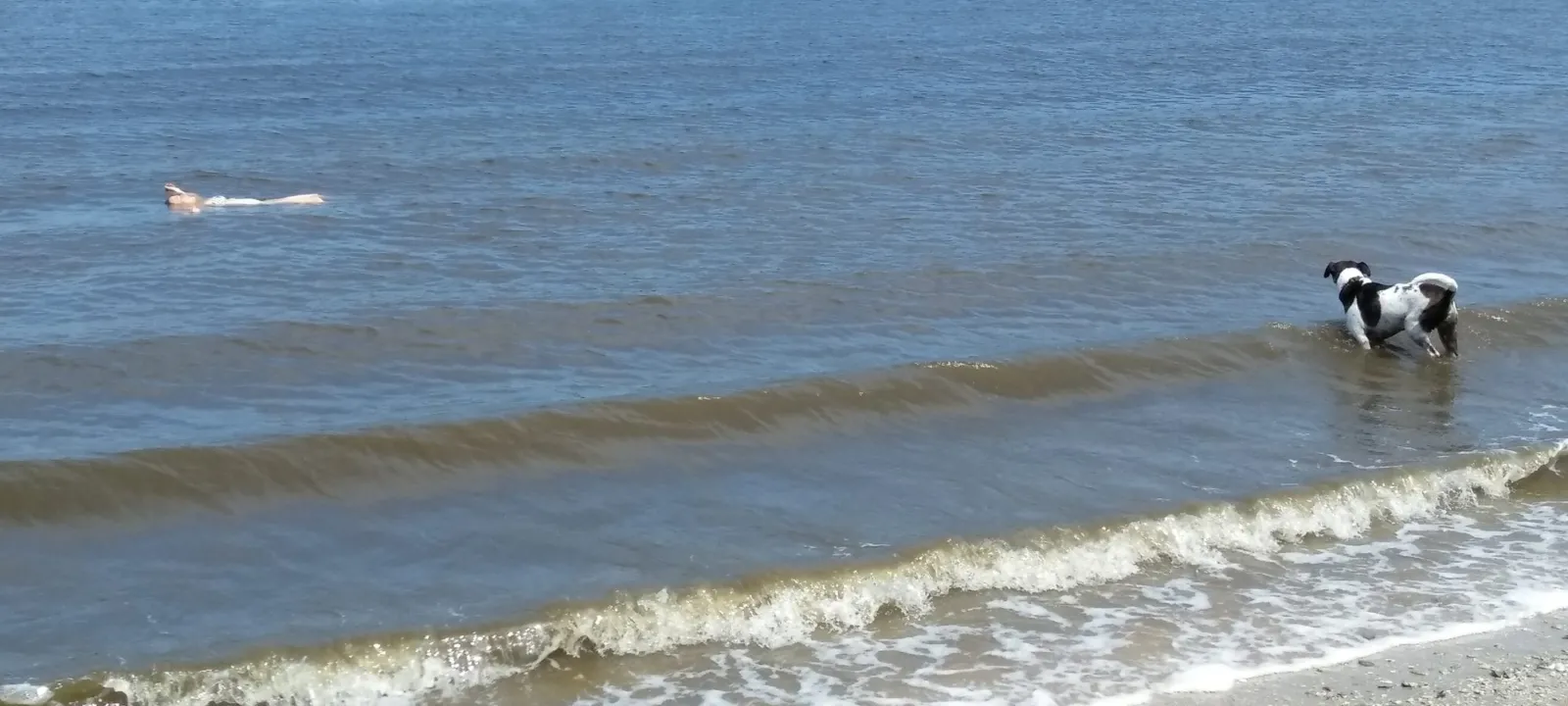
Dogs playing in the ocean may swallow more seawater than owners realize.
A few accidental gulps are not the same as repeatedly drinking seawater while:
- Fetching
- Swimming
- Chasing waves
- Carrying toys
Too much salt can cause salt toxicosis, also called hypernatremia.
This can become life-threatening.
Why Ocean Water Is a Problem
Merck Veterinary Manual notes that seawater contains about:
3.5% sodium
and reports that dogs have developed hypernatremia after swimming or playing in the ocean without enough access to fresh water.
How Dogs Swallow So Much
Dogs may ingest seawater while:
- Fetching a ball
- Biting waves
- Swimming with mouth open
- Drinking because they are thirsty
- Licking salty fur
Early Signs
Possible early signs include:
- Vomiting
- Diarrhea
- Excessive thirst
- Lethargy
Severe Signs
Salt toxicosis can progress to:
- Weakness
- Loss of coordination
- Muscle tremors
- Seizures
- Neurologic abnormalities
This is an emergency.
What to Do
If your dog has swallowed a large amount of seawater or develops symptoms:
Contact a veterinarian immediately.
Move the dog away from the ocean.
Do Not Force Large Amounts of Water
This is important.
Merck notes that treatment involves carefully correcting hydration and electrolyte balance.
Rapid changes in sodium can create serious neurologic complications.
If the dog is symptomatic, do not try to fix the situation by forcing huge amounts of fresh water.
Follow veterinary instructions.
Fresh Water Is Prevention
During normal beach play:
- Offer fresh water frequently
- Take regular breaks
- Do not wait until dog is desperate for a drink
Shorter Swim Sessions
Break long beach sessions into:
- Short swims
- Fresh-water breaks
- Shade breaks
Ball-Obsessed Dogs
Dogs that fetch repeatedly may swallow more water because they:
- Open mouth in surf
- Bite floating toys
- Swim continuously
Limit repetitions.
Puppies and Small Dogs
Smaller dogs may be affected by a lower total amount of saltwater.
Watch them closely.
After the Beach
Rinse salt from:
- Coat
- Face
- Paws
and provide normal access to fresh drinking water.
Saltwater Poisoning vs. Red Tide
These are different hazards.
A dog can have:
- Excess salt exposure
- Red tide exposure
- Both
during the same beach outing.
If red tide is active, keep the dog out of the water entirely.
When to Go to Emergency Care
Seek urgent care for:
- Tremors
- Seizures
- Severe weakness
- Loss of coordination
- Collapse
- Repeated vomiting
- Abnormal behavior
Best Saltwater-Safety Checklist
- Bring fresh water
- Offer frequent drinks
- Limit long swims
- Stop repeated wave drinking
- Take shade breaks
- Rinse after beach
- Call vet if symptoms develop
- Do not force massive water intake in a sick dog
Related Guides
- Red Tide and Dogs
- Sand Impaction in Dogs
- Best Portable Water Bowls
- Best Pet-Friendly Beaches in Florida
- Florida Wildlife Emergency Checklist for Pet Travelers
Ocean water is not drinking water.
A good Florida beach routine is:
Swim a little. Drink fresh water. Rest. Repeat.
Sources
- Merck Veterinary Manual — Salt Toxicosis in Animals: merckvetmanual.com
- Merck Veterinary Manual — Salt Poisoning: merckvetmanual.com