
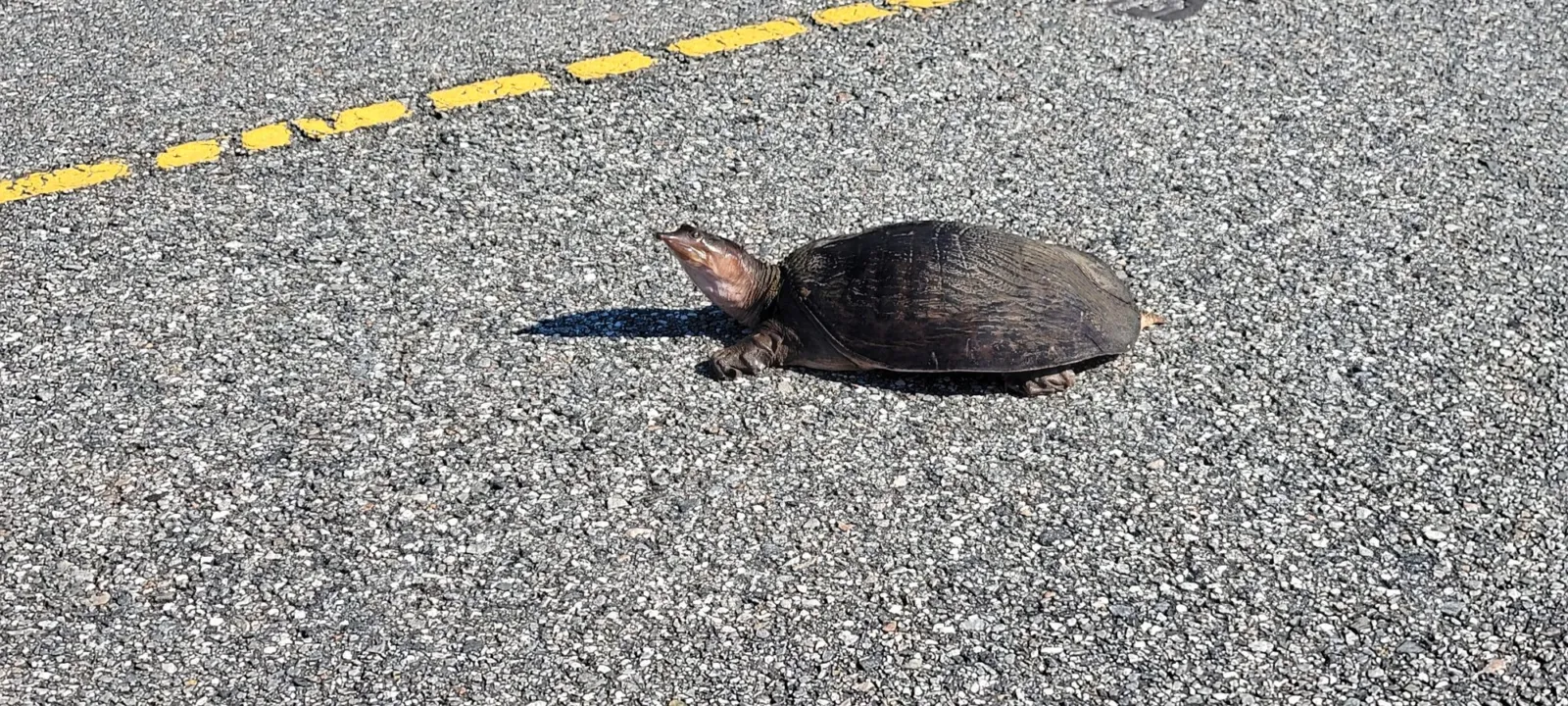
Most visitors never meet most of this. Florida is a big state and its wildlife changes a lot from region to region - a cane toad is a South Florida backyard problem, a black bear is a central and north Florida one, and a crocodile only matters in the far south. These guides are here for the encounter you do have, not because one is likely.
Florida is full of animals that can make a visitor stop and ask:
“What is that?”
Some are native.
Some are introduced.
Some are invasive.
And a few look so out of place that people assume they escaped yesterday.
Here are some of the strangest animals you may actually see on a Florida trip — and what dog owners should know.
Wild Monkeys
Yes, Florida has wild monkeys.
Rhesus Macaques
The best-known population lives around:
- Silver Springs
- Silver River
- Ocklawaha River
These monkeys descend from animals released in the 1930s for tourism.
Vervet Monkeys
South Florida also has a vervet population around:
- Dania Beach
- Fort Lauderdale-Hollywood International Airport
They descend from animals that escaped a primate facility in the 1940s.
Dog Rule
Never let a dog chase or approach a monkey.
Peacocks
Free-roaming peafowl live in scattered Florida neighborhoods.
You may see them:
- Crossing streets
- Standing on roofs
- Walking through yards
They are introduced domestic birds that became established locally.
Dog Rule
Keep dogs leashed.
Adult males can defend themselves.
Wild Parrots
Florida has free-flying parakeets and parrots in several urban areas.
Species may include:
- Monk parakeets
- Nanday parakeets
- Other escaped or released parrots
Dog Rule
Do not let dogs chase grounded birds.
Iguanas
Green iguanas are common in parts of South Florida.
They may appear on:
- Seawalls
- Canal banks
- Trees
- Golf courses
- Neighborhood lawns
They are invasive.
Dog Rule
Do not let dogs grab or corner them.
Nile Monitors
A Nile monitor looks like an enormous lizard.
Florida has established populations in parts of:
- Lee County
- Palm Beach County
They can become large and can defend themselves with:
- Teeth
- Claws
- Strong jaws
Dog Rule
Back away and report the sighting.
Argentine Black and White Tegus
Tegus are another large invasive lizard.
Reproducing populations are established in several parts of Florida.
Dog Rule
Do not let dogs chase.
Burmese Pythons
Burmese pythons are established in South Florida.
Most tourists will never see one.
But they are a real part of the Everglades ecosystem now.
Dog Rule
Keep dogs on leash and out of dense vegetation in python country.
Cane Toads
Cane toads are one of Florida’s most important dog hazards.
They are toxic if mouthed.
They are especially common in parts of South and Central Florida.
Dog Rule
Never let the dog bite or lick a large toad.
Key Deer
Key deer are tiny deer found only in the Lower Florida Keys.
They may walk through:
- Neighborhoods
- Roads
- Yards
Dog Rule
Never chase or feed them.
Wild Horses
Paynes Prairie Preserve State Park has free-ranging horses.
Visitors may also see:
- Bison
- Alligators
- Large numbers of birds
Dog Rule
Stay far away from horses and bison.
Roseate Spoonbills
Bright pink spoonbills are often mistaken for flamingos.
They are native Florida birds.
Dog Rule
Keep dogs away from feeding wetlands.
Flamingos
American flamingos are native to Florida.
FWC says at least some modern birds arrive naturally.
A Florida flamingo sighting is not automatically an escaped zoo bird.
Dog Rule
Stay far back.
Feral Chickens
Key West is famous for free-roaming chickens.
They wander:
- Sidewalks
- Parking lots
- Restaurant areas
Dog Rule
Use a short leash.
Muscovy Ducks
Muscovy ducks are common around:
- Retention ponds
- Apartment complexes
- Parks
They are introduced.
Dog Rule
Do not let the dog chase them into the water.
Giant African Land Snails
These giant invasive snails occasionally appear in active quarantine areas.
They can carry parasites and damage hundreds of plant species.
Dog Rule
Do not let dogs lick or mouth unfamiliar large snails.
Armadillos
Nine-banded armadillos are now common around Florida.
They are not originally native to the state but expanded their range naturally into Florida.
Dog Rule
Do not let dogs bite or mouth them.
Why Florida Gets So Weird
Florida has an unusual combination of:
- Subtropical climate
- International pet trade
- Ports
- Canals
- Dense urban development
- Hurricanes
- Long history of animal releases
That gives introduced species more opportunities to survive.
Best Rule for Traveling With a Dog
If you see an animal you cannot identify:
- Shorten the leash
- Do not let dog investigate
- Take a photo from a distance
- Identify later
Related Guides
- Why Florida Has So Many Exotic Animals
- Florida’s Feral Parrots, Peacocks and Monkeys
- Florida Wildlife With Pets: Complete Guide
- Nile Monitors and Pets
- Cane Toads and Dogs
Florida’s strange animals are part of what makes the state fascinating.
The safest approach is curiosity from a distance.