
Most visitors never meet most of this. Florida is a big state and its wildlife changes a lot from region to region - a cane toad is a South Florida backyard problem, a black bear is a central and north Florida one, and a crocodile only matters in the far south. These guides are here for the encounter you do have, not because one is likely.
Dogs love disgusting beach discoveries.
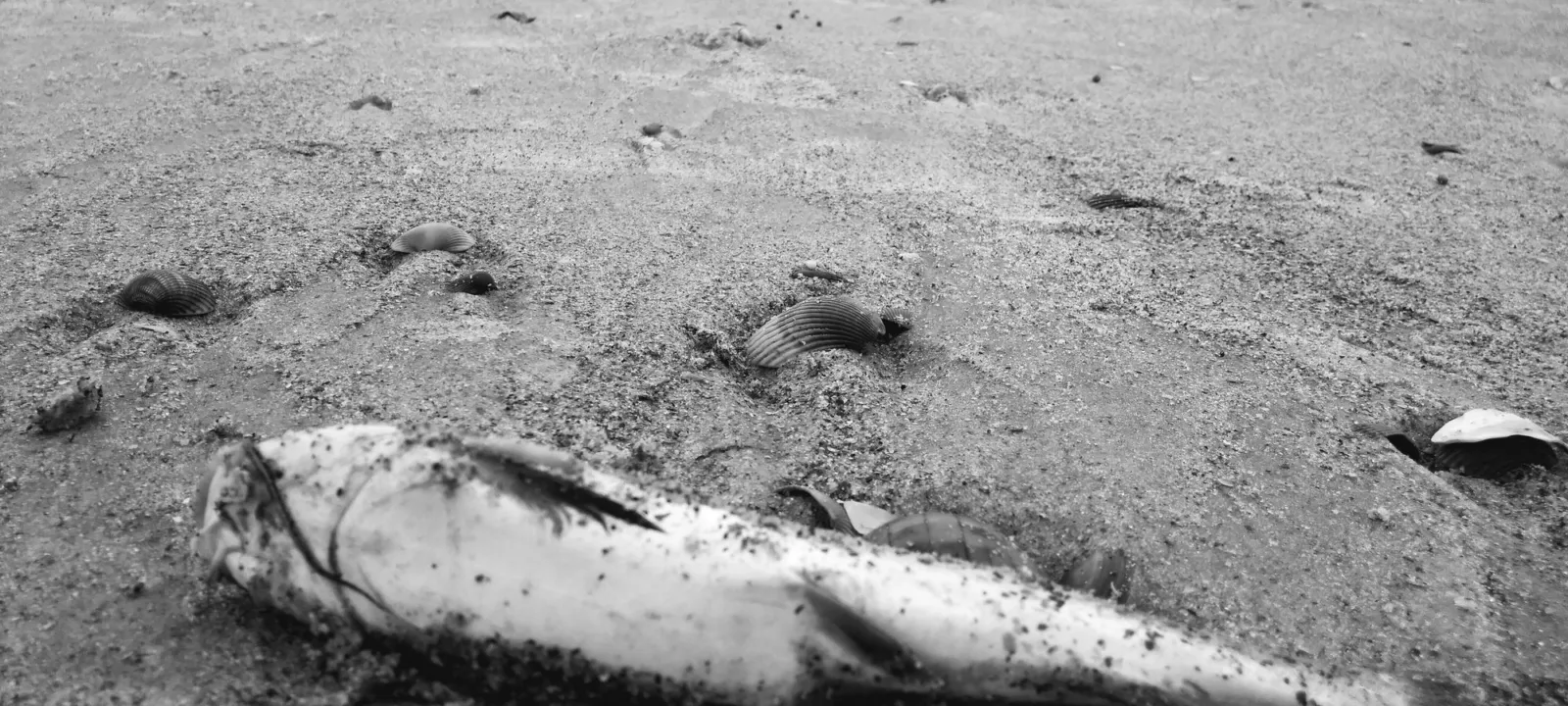
Dead fish are one of the more important ones to stop.
A dead fish can expose a dog to:
- Spoilage
- Bones
- Hooks
- Fish spines
- Salt
- Red tide toxins
- Pufferfish toxin
- Other contaminants
If your dog eats a dead fish:
Get the dog away from the carcass, identify what you can, and call your veterinarian if there is any concern about toxicity, hooks, sharp bones or symptoms.
Step 1: Stop Further Eating
Remove the dog from the area.
Do not allow it to:
- Finish the fish
- Eat nearby carcasses
- Lick fish foam or residue
Step 2: Look for Hooks and Line
Fishing areas may contain dead or discarded fish with:
- Hooks
- Leaders
- Line
If line is hanging from your dog’s mouth:
Do not pull it.
A hook may be attached internally.
See our Fish Hooks and Dogs: Emergency Guide.
Step 3: Identify the Fish if Possible
Take a photo of:
- Remaining fish
- Head
- Body pattern
- Location
This may matter if the fish could be:
- Pufferfish
- Spiny catfish
- Associated with a fish kill
Step 4: Check for a Red Tide Event
FWC specifically warns that pets should not play with or eat dead fish during or after a red tide event.
Red tide toxins can affect animals.
If dead fish are washing ashore in numbers:
- Leave the beach
- Keep dog away from foam
- Check current FWC / local health alerts
Pufferfish Are a Special Emergency
Pufferfish may contain tetrodotoxin, a dangerous neurotoxin.
If the dog ate a suspected pufferfish:
Contact an emergency veterinarian immediately.
Do not wait for symptoms.
Fish Bones and Spines
Fish remains may contain sharp:
- Bones
- Dorsal spines
- Catfish spines
These can injure:
- Mouth
- Throat
- Gastrointestinal tract
Spoiled Fish
Rotting fish can cause gastrointestinal illness.
Watch for:
- Vomiting
- Diarrhea
- Lethargy
- Abdominal discomfort
- Refusal to eat
Do Not Induce Vomiting Without Veterinary Advice
A fish may contain:
- Hook
- Bone
- Spine
that could cause more injury coming back up.
Call first.
Red Tide Exposure
If your dog also swam in water affected by red tide:
- Prevent licking
- Wash dog promptly
FWC recommends washing pets after swimming in red tide because dogs may ingest toxin while licking their fur.
Fish Kill Areas
Do not let dogs walk through or investigate large fish kills.
Potential hazards can include:
- Toxins
- Decomposition
- Sharp fish parts
- Wildlife scavengers
When to Seek Emergency Care
Go urgently if the dog develops:
- Trouble breathing
- Weakness
- Tremors
- Loss of coordination
- Collapse
- Repeated vomiting
- Severe abdominal pain
- Blood
- Choking
- Suspected hook ingestion
Bring Information
Tell the veterinarian:
- Where the fish was found
- Saltwater or freshwater
- Whether red tide was active
- How much was eaten
- Whether hooks were nearby
- Approximate time
Prevention
Use a short leash around:
- Wrack lines
- Fishing piers
- Fish-cleaning stations
- Fish kills
- Red tide beaches
Teach a strong:
Leave it
cue.
Related Guides
- Red Tide and Dogs
- Pufferfish Poisoning and Dogs
- Fish Hooks and Dogs: Emergency Guide
- Fish Spines, Catfish and Dogs
- Bait and Dogs: What Is Toxic?
A single ordinary fresh fish scrap may cause nothing more than an upset stomach.
The problem in Florida is that you often do not know whether the dead fish also involves:
- Red tide
- A hook
- A spine
- A toxin
That uncertainty is why caution makes sense.
Sources
- Florida Fish and Wildlife Conservation Commission — Red Tide FAQ: myfwc.com
- Florida Department of Health — Harmful Algal Bloom Pet Guidance: floridahealth.gov