
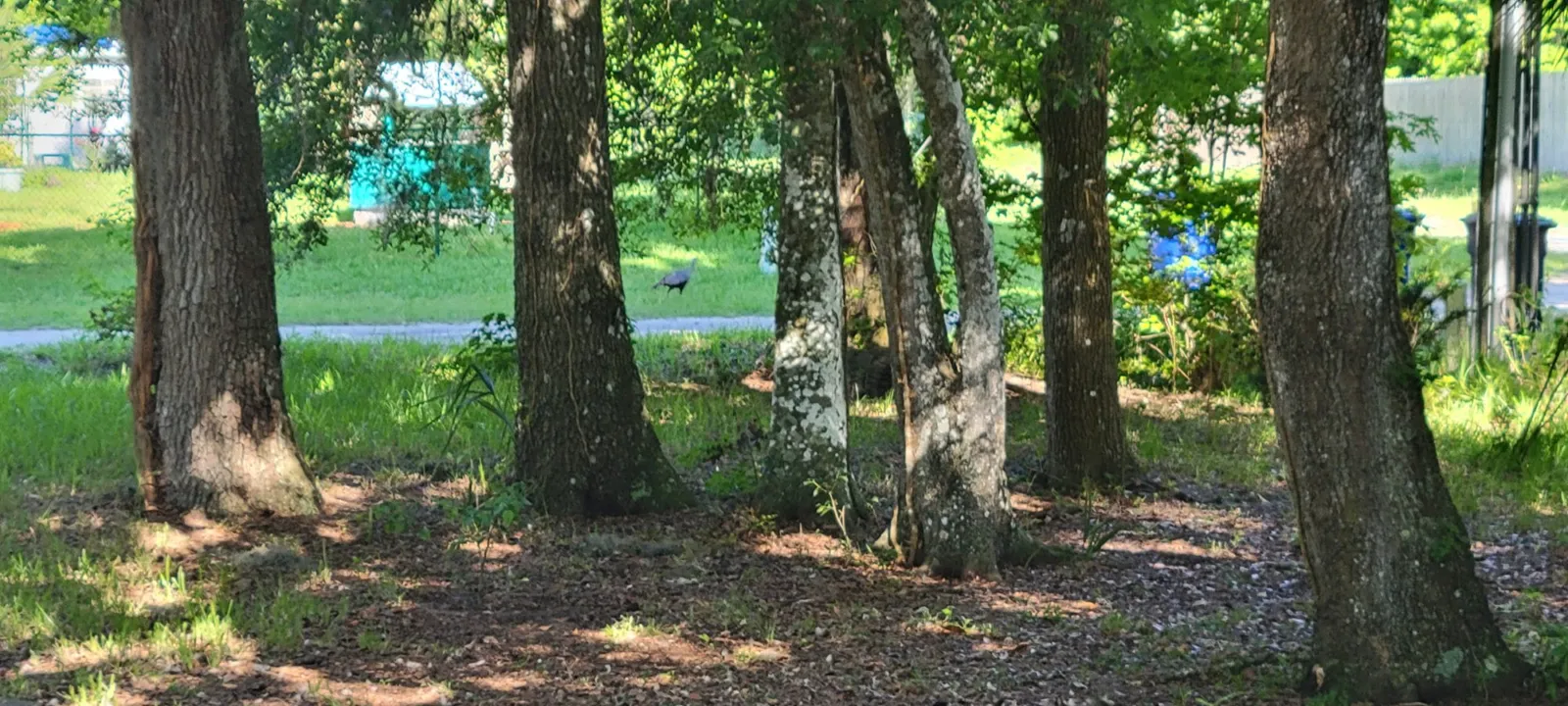
Most visitors never meet most of this. Florida is a big state and its wildlife changes a lot from region to region - a cane toad is a South Florida backyard problem, a black bear is a central and north Florida one, and a crocodile only matters in the far south. These guides are here for the encounter you do have, not because one is likely.
Ticks are common in Florida and can transmit disease to dogs, cats and people.
For pet travelers and residents:
Use veterinarian-recommended tick prevention and check pets after outdoor activity.
Florida Tick Habitat
Ticks may be found around:
- Tall grass
- Brush
- Wooded trails
- Leaf litter
- Park edges
- Rural yards
Dogs that hike, camp or push through vegetation have higher exposure.
Common Tick Concerns
Ticks can transmit diseases including:
- Ehrlichiosis
- Anaplasmosis
- Rocky Mountain spotted fever
- Other tick-borne infections
Disease risk varies by tick species and location.
Prevention
Use a veterinarian-recommended tick preventive.
Options may include:
- Oral medications
- Topical medications
- Collars
The right product depends on the pet.
Cats Need Cat-Specific Products
Never use a dog tick product on a cat unless it is specifically labeled and veterinarian-approved for cats.
Some dog products can be dangerous to cats.
Check Your Dog After Outdoor Trips
Inspect:
- Ears
- Neck
- Collar area
- Armpits
- Groin
- Between toes
- Around tail
Long-haired dogs may need a more careful comb-through.
Remove Ticks Promptly
Use fine-tipped tweezers or an approved tick-removal tool.
Grasp close to the skin and pull steadily.
Avoid:
- Burning the tick
- Smothering with petroleum jelly
- Crushing it with bare fingers
Save the Tick If Needed
If your pet becomes ill after a bite, a veterinarian may find identification useful.
You can place the tick in a sealed container or bag.
Watch for Illness
Contact your veterinarian if a dog develops:
- Fever
- Lethargy
- Lameness
- Reduced appetite
- Swollen joints
- Unusual bleeding
after tick exposure.
Camping
At campgrounds:
- Keep dog on trail
- Avoid tall brush
- Check dog daily
- Keep bedding clean
Vacation Rentals
If staying in a wooded Florida rental:
- Inspect yard
- Avoid overgrown edges
- Keep prevention current
Yard Management
Reducing tall grass and brush can lower tick habitat around pet-use areas.
People Should Check Too
If your dog picked up ticks, you may have been exposed in the same environment.
Check yourself after hiking.
Best Tick-Safety Checklist
- Use preventive
- Check after outdoor activity
- Remove promptly
- Use cat-safe products for cats
- Call vet if illness develops
- Keep yard trimmed
Related Guides
- Florida Mosquitoes and Pets
- Florida Wildlife With Pets: Complete Guide
- Best Pet-Friendly Campgrounds in Florida
- Florida Road Trip Packing List for Dogs
Ticks are easy to overlook.
Routine prevention and a two-minute post-hike check can prevent much bigger problems.
Sources
- CDC — Preventing Ticks on Pets: cdc.gov
- Companion Animal Parasite Council: capcvet.org