
Most visitors never meet most of this. Florida is a big state and its wildlife changes a lot from region to region - a cane toad is a South Florida backyard problem, a black bear is a central and north Florida one, and a crocodile only matters in the far south. These guides are here for the encounter you do have, not because one is likely.
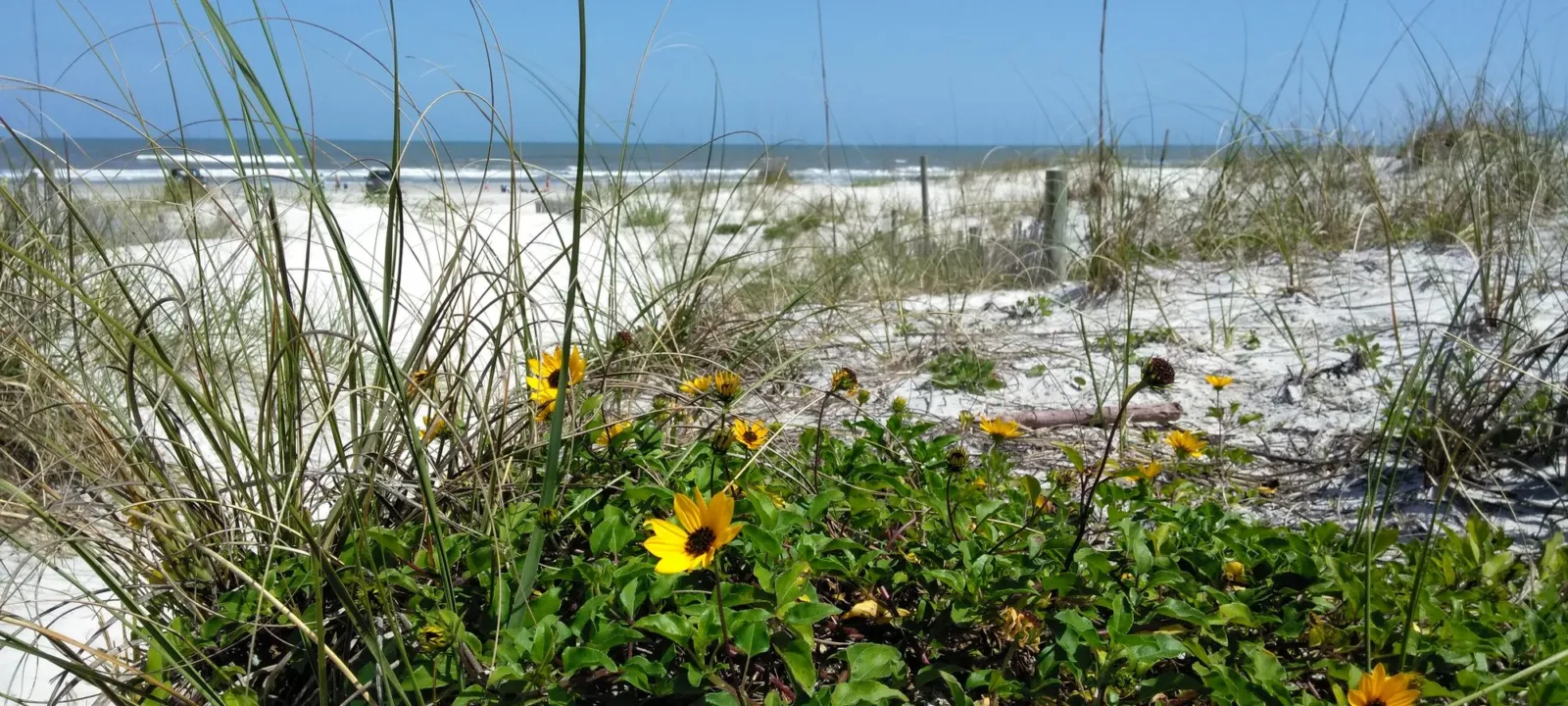
Florida beaches are not just recreation areas.
They are also nesting, resting and feeding habitat for shorebirds, seabirds and wading birds.
During nesting season, a dog can disturb birds even without touching them.
For pet owners:
Keep dogs on a short leash, stay far away from nesting birds and never enter posted wildlife areas.
Florida Shorebird Nesting Season Is Long
FWC says shorebird breeding seasons vary by region.
Current examples include:
Northwest Florida
In counties such as:
- Bay
- Escambia
- Okaloosa
- Santa Rosa
- Walton
the current FWC breeding-season window runs approximately:
February 15 through September 1
Northeast / North-Central Florida
In counties including:
- Duval
- Nassau
- Citrus
- Levy
the current window begins around:
March 1
and runs into late summer.
The exact season depends on county and species.
Why Dogs Disturb Shorebirds
FWC says even well-behaved dogs can be perceived as predators.
A dog walking too close may cause birds to:
- Flush from nests
- Leave eggs exposed
- Separate from chicks
- Stop feeding
- Abandon resting areas
The dog does not have to chase a bird to cause a problem.
Eggs and Chicks Are Hard to See
Many Florida shorebirds nest directly in shallow scrapes in the sand.
Their:
- Eggs
- Chicks
are naturally camouflaged.
That makes them easy to:
- Step on
- Drive over
- Disturb accidentally
Stay Out of Posted Areas
Florida beaches may use:
- Ropes
- Signs
- Temporary fencing
- Critical Wildlife Area markers
Do not enter those areas with or without a dog.
Keep Your Dog Far Away
Current FWC guidance recommends keeping dogs:
- At home when possible on sensitive beaches
- Or on a short leash
- Far away from wildlife
when dogs are legally allowed on the beach.
300 Feet Is a Useful Wildlife Distance
FWC commonly recommends staying at least:
300 feet
from nesting birds and large bird congregations.
That is roughly the length of a football field.
If birds:
- Call repeatedly
- Fly up
- Walk away
- Act agitated
you are too close.
Birds Commonly Affected
Florida beach-nesting birds include species such as:
- Least terns
- Black skimmers
- Snowy plovers
- Wilson’s plovers
- American oystercatchers
Wading birds may also nest on nearby islands and mangrove areas.
Do Not Let Dogs Chase Flocks
A flock resting on the beach may be:
- Migrating
- Feeding
- Conserving energy
Do not use birds as entertainment for your dog.
Leash Rules Are the Minimum, Not the Goal
A legal leash does not automatically mean your dog is far enough away.
FWC specifically notes that even leashed dogs can affect wildlife simply through their presence.
Use more distance when birds are nearby.
Beach Running
If your dog loves running on legal dog beaches:
- Scan ahead first
- Avoid bird flocks
- Stay outside marked zones
- Shorten leash when wildlife appears
Fishing Areas
Birds around fishing piers face additional hazards from:
- Hooks
- Line
- Bait
Keep dogs away from birds already struggling with fishing gear.
What If You Find a Chick?
Do not let your dog approach.
Do not assume the chick is abandoned.
Many chicks leave the immediate nest area while adults remain nearby.
Stay back and contact local wildlife professionals if the bird appears injured.
Critical Wildlife Areas
Some Florida coastal areas are designated Critical Wildlife Areas.
These can have:
- Seasonal closures
- Complete access restrictions
- No-dog rules
Always follow posted restrictions.
Best Shorebird-Safety Checklist
- Dog on short leash
- Stay 300 feet from nesting birds when possible
- Never enter posted areas
- Do not walk through flocks
- Never allow chasing
- Watch for camouflaged chicks
- Respect temporary closures
Related Guides
- Florida Birds Dogs Should Never Chase
- Sea Turtles and Dogs on Florida Beaches
- Best Pet-Friendly Beaches in Florida
- Florida Wildlife With Pets: Complete Guide
Florida’s dog-friendly beaches stay dog-friendly only when pet owners protect the wildlife that already lives there.
Sources
Wear this page
Pet Friendly Florida shirts, drawn to match what you just read. This is our own store, not an affiliate link.


