
Most visitors never meet most of this. Florida is a big state and its wildlife changes a lot from region to region - a cane toad is a South Florida backyard problem, a black bear is a central and north Florida one, and a crocodile only matters in the far south. These guides are here for the encounter you do have, not because one is likely.
Cane toads are one of the most important Florida-specific hazards for dogs.
They are:
- Nonnative
- Invasive
- Large
- Common around homes
- Highly toxic when bitten or mouthed
A dog can become critically ill after grabbing one.
For South and Central Florida pet owners, cane-toad awareness belongs in the same category as:
- Heat safety
- Alligator safety
- Snakebite preparation
What Is a Cane Toad?
The cane toad is also commonly called:
- Bufo toad
- Giant toad
- Marine toad
Its current scientific name is:
Rhinella marina
Where Are Cane Toads Found in Florida?
FWC says established cane toads are found in central and South Florida, generally south of the I-4 corridor.
UF/IFAS also documents a small established population around DeLand in Volusia County.
They are especially associated with:
- Urban neighborhoods
- Suburbs
- Golf courses
- Agricultural areas
- Yards
- Canals
- Ponds
- Ditches
Why Are They Dangerous to Dogs?
Cane toads have large glands behind the eyes and over the shoulders.
These glands secrete a potent milky toxin called:
Bufotoxin
When a dog bites or mouths the toad, pressure can force toxin directly into the dog’s mouth.
Cane Toad Poisoning Can Kill a Dog
FWC and UF/IFAS warn that cane toad toxin can sicken or kill domestic pets.
Dogs are especially at risk because many instinctively chase or bite small animals.
Signs of Cane Toad Poisoning
UF/IFAS lists signs such as:
- Very red or pink gums
- Heavy drooling
- Frothing at mouth
- Pawing at mouth
- Head shaking
- Loss of coordination
- Seizures
- Cardiac arrest
Other severe signs can include:
- Abnormal heart rhythm
- Weakness
- Collapse
This Is an Emergency
If you think your dog attacked a cane toad:
Begin first aid immediately and contact a veterinarian.
Do not wait to see whether symptoms worsen.
First Aid: Wipe and Rinse the Mouth
Current UF/IFAS guidance says to:
- Wipe the pet’s mouth thoroughly with a damp cloth
- Rinse the mouth with water
- Keep the head angled so water flows out of the mouth, not down the throat
- Get the pet to a veterinarian
One current UF/IFAS publication recommends rinsing for about 15 minutes while ensuring water drains outward.
Do Not Force Water Down the Throat
The goal is to remove toxin from the mouth.
Do not create an aspiration risk by directing water into the throat.
Call the Vet While You Are Rinsing If Possible
Have someone else:
- Call the emergency clinic
- Start the car
- Find directions
while first aid is underway.
Cane Toads Are Most Active at Night
Adult cane toads are mainly nocturnal.
UF/IFAS recommends extra supervision:
- Dusk
- Night
- Dawn
Use a short leash after dark in areas where cane toads are common.
Dogs With High Prey Drive
Terriers and other dogs that readily grab small moving animals may be at greater risk.
Never assume a dog will “learn” after one encounter.
The first encounter can be deadly.
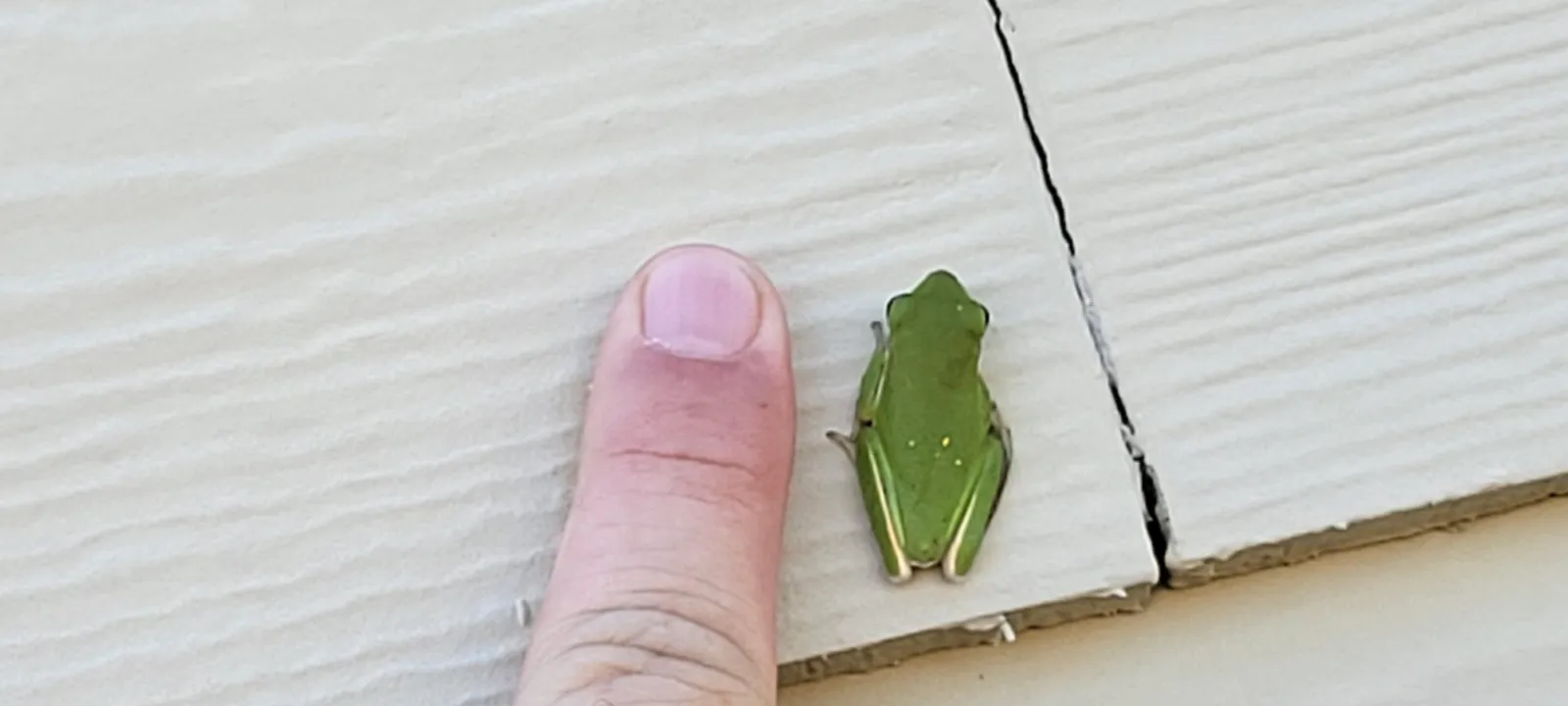
How to Identify an Adult Cane Toad
Adult cane toads are typically:
- Large
- Warty
- Brown to reddish-brown or grayish-brown
- Equipped with prominent glands behind the eyes
FWC says they generally reach about:
6 to 9 inches long
Native southern toads are much smaller, usually about:
3 to 4 inches maximum
Do Not Kill Native Toads by Mistake
Florida’s native southern toad is beneficial.
Correct identification matters.
If you are unsure, use FWC or UF/IFAS identification resources.
Cane Toad Eggs and Tadpoles Are Also Toxic
UF/IFAS says cane toads are poisonous throughout their life cycle.
That includes:
- Eggs
- Tadpoles
- Toadlets
- Adults
Do not let pets drink from or investigate ornamental ponds containing suspected cane-toad eggs or tadpoles.
Keep Pet Food Inside
FWC and UF/IFAS recommend:
- Feeding pets indoors when possible
- Bringing food bowls inside at night
- Cleaning outdoor food scraps
Cane toads are attracted to easy food sources.
Reduce Hiding Places
Make the yard less attractive by:
- Cutting grass
- Trimming shrubs
- Removing brush piles
- Removing clutter
- Blocking access under decks and structures
- Filling holes
Outdoor Lights
Lights attract insects.
Insects attract toads.
Reducing unnecessary nighttime lighting may reduce activity around doors and patios.
Can You Remove Cane Toads?
FWC says cane toads:
- Are invasive
- Are not protected except by anti-cruelty laws
- May be removed from private property with landowner permission
Captured cane toads may not be relocated and released elsewhere.
If you do not want to handle them yourself, hire a nuisance wildlife trapper.
Human Safety
Cane toad toxin can irritate:
- Skin
- Eyes
Wear:
- Gloves
- Eye protection
if handling is necessary.
Wash hands afterward.
What If a Cat Attacks One?
Cats are less likely than dogs to bite cane toads, but poisoning can still occur.
Use the same urgent approach:
- Wipe mouth
- Rinse carefully
- Contact veterinarian immediately
Traveling With a Dog in Cane-Toad Country
At hotels, rentals and campgrounds:
- Check yard before letting dog out
- Use flashlight at night
- Keep dog on short leash
- Do not leave food outside
- Supervise potty breaks
Cane Toad Safety Checklist
- Know what they look like
- Supervise after dark
- Short leash
- No outdoor pet food overnight
- Remove yard clutter
- Keep emergency vet number ready
- Know mouth-rinsing first aid
- Go to vet immediately after exposure
Related Guides
- Bufo Toad Poisoning: What to Do
- Florida Wildlife With Pets: Complete Guide
- Venomous Snakes of Florida: Pet Owner Guide
- Alligators and Dogs in Florida
- Florida Wildlife Emergency Checklist for Pet Travelers
Cane toads are not a rare wilderness hazard.
They can be sitting in a suburban Florida yard after dark.
That is what makes them so important for dog owners to understand.
Sources
- Florida Fish and Wildlife Conservation Commission — Cane Toad: myfwc.com
- UF/IFAS — The Cane or “Bufo” Toad in Florida: ask.ifas.ufl.edu
- UF/IFAS — Cane Toad Topic Hub: ask.ifas.ufl.edu