
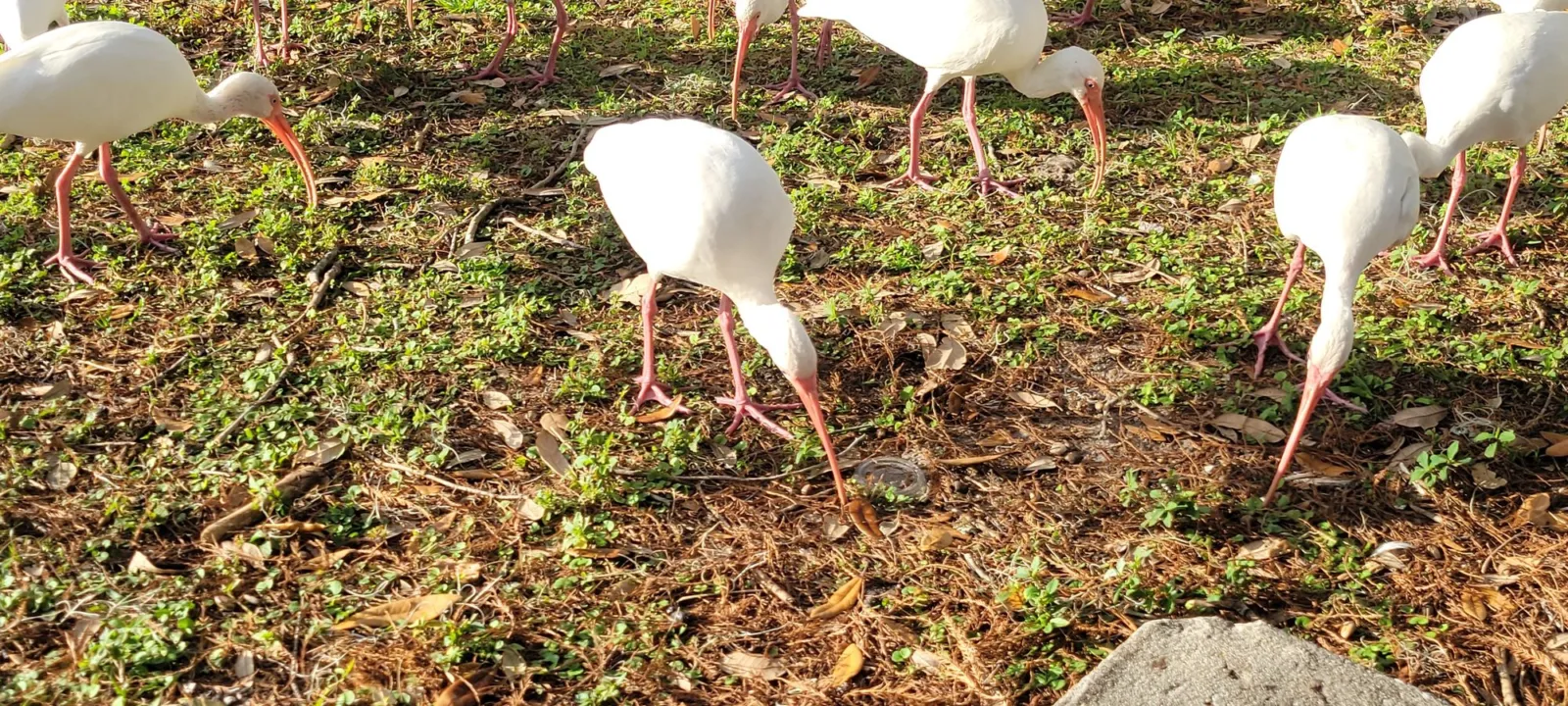
Most visitors never meet most of this. Florida is a big state and its wildlife changes a lot from region to region - a cane toad is a South Florida backyard problem, a black bear is a central and north Florida one, and a crocodile only matters in the far south. These guides are here for the encounter you do have, not because one is likely.
Florida pet travel is different from pet travel almost anywhere else in the United States.
A dog can encounter wildlife here in:
- Suburban ponds
- Beach dunes
- Golf-course lakes
- State parks
- Boat ramps
- Campgrounds
- Neighborhood yards
- Canal banks
- Nature preserves
Some animals are harmless if left alone.
Others can seriously injure or kill a pet.
The safest rule is simple:
Keep pets close, controlled and away from wildlife.
Florida’s Biggest Pet-Wildlife Risks
Important Florida wildlife hazards include:
- Alligators
- Crocodiles in far South Florida
- Venomous snakes
- Cane toads
- Coyotes
- Black bears
- Bobcats
- Wild hogs
- River otters
- Raccoons
- Wild monkeys
- Iguanas
- Large invasive reptiles
There are also marine and beach hazards including:
- Jellyfish
- Stingrays
- Pufferfish
- Fish hooks
- Dead fish
- Shorebird nesting areas
- Sea turtle nests
Keep Dogs Away From Fresh and Brackish Water
The Florida Fish and Wildlife Conservation Commission advises pet owners not to let pets swim in open freshwater.
That includes:
- Lakes
- Ponds
- Rivers
- Wetlands
- Canals
- Retention ponds
Alligators can be present even when you cannot see them.
FWC also advises keeping dogs away from the water’s edge.
Use a Short Leash Around Wildlife
FWC recommends keeping pets on short leashes of six feet or less when wildlife encounters are possible.
Avoid retractable leashes around:
- Water
- Wildlife
- Dense brush
- Busy trails
A short leash gives you more control if an animal appears suddenly.
Stay With Pets Even in Fenced Yards
A fence does not remove wildlife risk.
FWC specifically recommends accompanying dogs even in fenced yards.
Animals that may enter Florida yards include:
- Snakes
- Coyotes
- Bobcats
- Raccoons
- Cane toads
Do Not Leave Pet Food Outside
Outdoor food attracts wildlife.
FWC advises:
- Stay with pets while they eat outside
- Remove uneaten food immediately
- Bring bowls inside
This can reduce visits from:
- Raccoons
- Bears
- Coyotes
- Other scavengers
Alligators
Alligators are found in all 67 Florida counties.
FWC estimates Florida has about 1.3 million alligators.
Keep pets:
- Leashed
- Away from shorelines
- Out of freshwater and brackish water
Alligators are most active between dusk and dawn.
See our dedicated Alligators and Dogs in Florida guide.
Crocodiles
American crocodiles occur primarily in South Florida.
Treat crocodile habitat with the same basic pet rules:
- Stay away from water edges
- Keep pets leashed
- Do not allow swimming
Snakes
Florida has several venomous snake species.
Dogs should not be allowed to:
- Investigate snakes
- Push into dense brush
- Chase moving reptiles
If a dog is bitten, contact a veterinarian immediately.
Cane Toads
Cane toads are one of South Florida’s most important backyard hazards.
Dogs may mouth or bite them.
A dedicated cane-toad guide belongs in every Florida pet owner’s safety toolkit.
Coyotes
Coyotes live throughout Florida, including developed neighborhoods.
Keep small pets close, particularly:
- Dawn
- Dusk
- Night
Black Bears
Florida black bears are present in many parts of the state.
Never leave pet food outdoors in bear country.
Keep dogs leashed on trails.
Bobcats
Bobcats usually avoid people but can be a threat to unattended small pets.
Do not let cats or small dogs roam freely.
Wild Hogs
Wild hogs can become aggressive when cornered or protecting young.
Keep dogs from chasing them.
Raccoons
Raccoons can bite and can carry diseases including rabies.
Avoid pet contact.
FWC says mammal bites should be reported to the local county health department, and injured pets should receive veterinary follow-up.
River Otters
River otters can defend themselves aggressively.
Do not let dogs chase or corner them near freshwater.
Wild Monkeys
Florida has established nonnative monkey populations.
The best-known population consists of rhesus macaques around Silver Springs and the Silver/Ocklawaha river system.
Never:
- Feed them
- Approach them
- Let a dog chase them
See our Wild Monkeys in Florida guide.
Iguanas
Iguanas are widespread in parts of South Florida.
A large iguana can scratch, bite or whip with its tail when cornered.
Keep dogs from chasing them.
Shorebirds
Dogs can disturb:
- Nesting shorebirds
- Chicks
- Resting migratory birds
Follow leash rules and stay outside marked nesting areas.
Sea Turtles
Never allow dogs to:
- Dig into nests
- Chase hatchlings
- Enter marked nesting areas
Marine Hazards
At beaches, watch for:
- Portuguese man o’ war
- Jellyfish
- Stingrays
- Dead fish
- Fishing hooks
- Fishing line
Do not let dogs eat unknown marine animals.
Wildlife Safety Checklist
Before an outdoor Florida outing:
- Use a 6-foot or shorter leash
- Carry fresh water
- Stay away from freshwater edges
- Keep dog out of brush
- Watch for wildlife signs
- Scan the ground
- Avoid dawn/dusk near alligator habitat
- Do not leave pet food outside
- Know the nearest emergency vet
If Wildlife Injures Your Pet
Contact a veterinarian.
If the animal was a mammal and a bite occurred, FWC recommends also contacting the local county health department.
Related Guides
- Alligators and Dogs in Florida
- Wild Monkeys in Florida
- Cane Toads and Dogs
- Venomous Snakes of Florida: Pet Owner Guide
- Coyotes in Florida Neighborhoods
- Black Bears and Dogs
- Florida Birds Dogs Should Never Chase
- Sea Turtles and Dogs on Florida Beaches
Florida wildlife is one of the things that makes the state extraordinary.
You do not need to fear it.
You do need to respect it.