
Most visitors never meet most of this. Florida is a big state and its wildlife changes a lot from region to region - a cane toad is a South Florida backyard problem, a black bear is a central and north Florida one, and a crocodile only matters in the far south. These guides are here for the encounter you do have, not because one is likely.
Blue-green algae can be dangerous to dogs.
These blooms are caused by cyanobacteria and may produce toxins that affect the:
- Liver
- Nervous system
- Gastrointestinal system
Dogs are especially vulnerable because they may:
- Drink contaminated water
- Swim through a bloom
- Lick contaminated fur
- Eat algae mats
- Eat contaminated fish or wildlife
The safest rule is:
Keep dogs completely out of water with a suspected blue-green algae bloom.
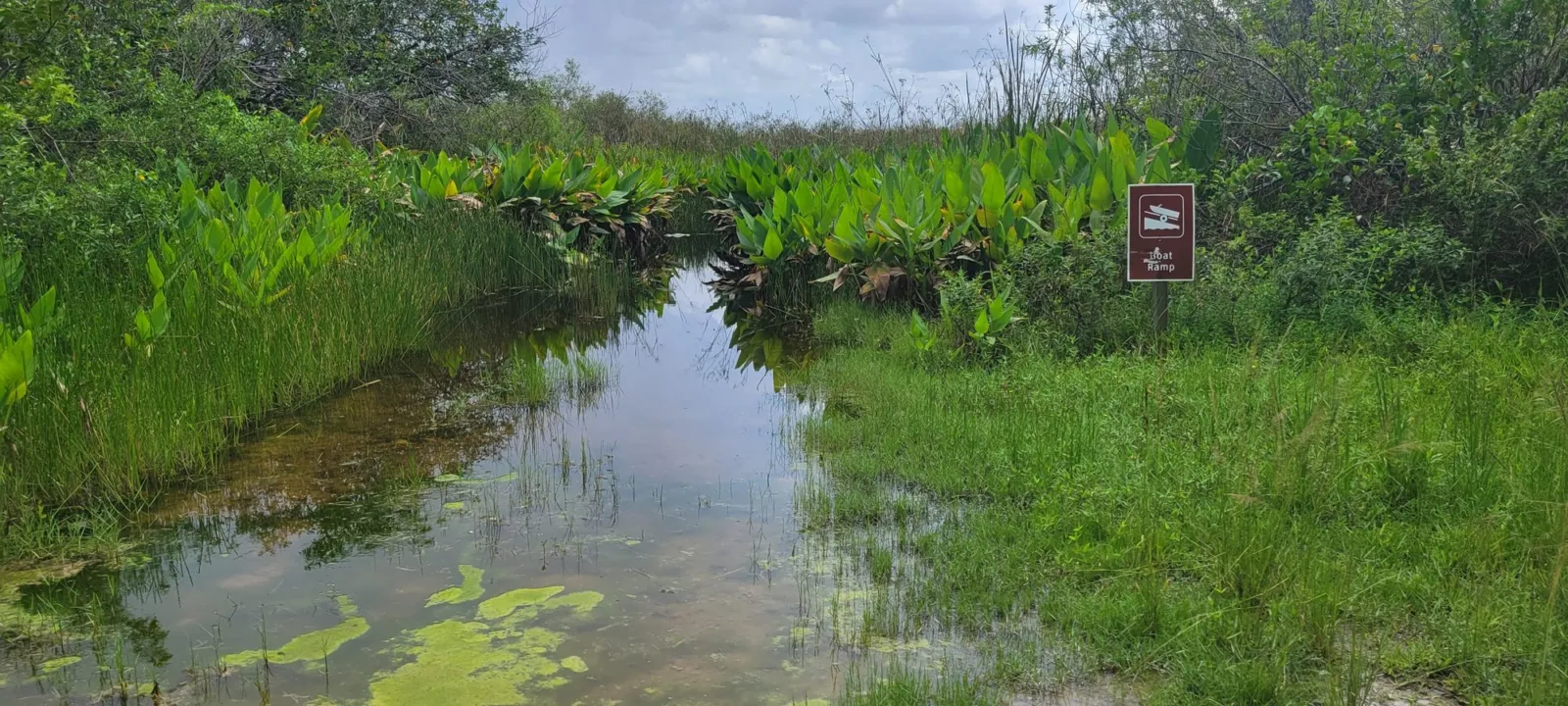
What Blue-Green Algae Can Look Like
Florida Department of Health says blooms may appear as:
- Bright green water
- Blue-green water
- Brown or red discoloration
- Paint-like streaks
- Dense scum
- Foam
They may also produce an unpleasant odor.
Do not rely on color alone.
Blue-green algae can occur throughout the water column, not just on the surface.
Dogs Can Become Sick Before People
Florida health officials specifically warn that pets can become sick from blue-green algae exposure.
Dogs may receive a larger exposure because they:
- Drink the water
- Eat algae
- Lick toxin from their coat after swimming
Do Not Let Dogs Swim
If a bloom is:
- Visible
- Reported
- Under advisory
keep dogs out.
Do not let them wade along the edge either.
Do Not Let Dogs Drink the Water
Bring your own fresh water.
Do not let dogs drink from:
- Lakes
- Ponds
- Canals
- Slow-moving waterways
when bloom conditions are suspected.
If Your Dog Swims in Suspected Bloom Water
Remove the dog from the water.
Prevent licking.
Rinse or wash the dog thoroughly with clean fresh water.
Contact your veterinarian if there is any suspected exposure or illness.
Signs of Possible Toxin Exposure
Depending on the toxin involved, symptoms may include:
- Vomiting
- Diarrhea
- Weakness
- Tremors
- Difficulty walking
- Seizures
- Breathing problems
- Collapse
Seek emergency veterinary care for serious symptoms.
Do Not Wait if the Dog Ate Algae
Eating visible algae or scum can create a concentrated exposure.
Call a veterinarian immediately.
Fish and Dead Animals
Florida Department of Health advises keeping pets away from contaminated:
- Fish
- Marine animals
Do not let dogs eat dead fish from affected water.
Boiling Does Not Make It Safe
Florida health guidance says boiling contaminated water does not eliminate blue-green algae toxins.
Do not attempt to make bloom water safe for a pet.
Check Current Conditions
Florida’s Protecting Florida Together water-quality dashboard provides current bloom information.
Check local health and environmental advisories before:
- Boating
- Fishing
- Hiking around lakes
- Visiting freshwater dog areas
Retention Ponds
A neighborhood pond can be risky even if it is not a recreation area.
Keep dogs out of retention ponds.
They may contain both:
- Harmful algae
- Alligators
Blue-Green Algae vs. Red Tide
These are different hazards.
Blue-Green Algae
Usually associated with:
- Freshwater
- Cyanobacteria
Red Tide
Usually associated with:
- Marine or coastal water
- Karenia brevis in Florida
Dogs should avoid both when blooms are present.
Best Prevention Checklist
- Check advisories
- Avoid discolored/scummy water
- Bring fresh water
- Do not let dogs swim
- Prevent licking after exposure
- Wash dog with clean water
- Keep away from dead fish
- Call veterinarian if exposure suspected
Related Guides
- Red Tide and Dogs
- Freshwater Fishing With a Dog
- Alligators and Dogs in Florida
- What to Do if Your Dog Eats a Dead Fish
- Florida Wildlife Emergency Checklist for Pet Travelers
A dog does not need to drink an entire pond to become exposed.
If the water looks suspicious, skip it.
Sources
- Florida Department of Health — Harmful Algal Blooms: floridahealth.gov
- Florida Department of Health — HAB Reporting and Pet Guidance: floridahealth.gov