
Most visitors never meet most of this. Florida is a big state and its wildlife changes a lot from region to region - a cane toad is a South Florida backyard problem, a black bear is a central and north Florida one, and a crocodile only matters in the far south. These guides are here for the encounter you do have, not because one is likely.
Florida’s shorebird nesting season is not one identical statewide date range.
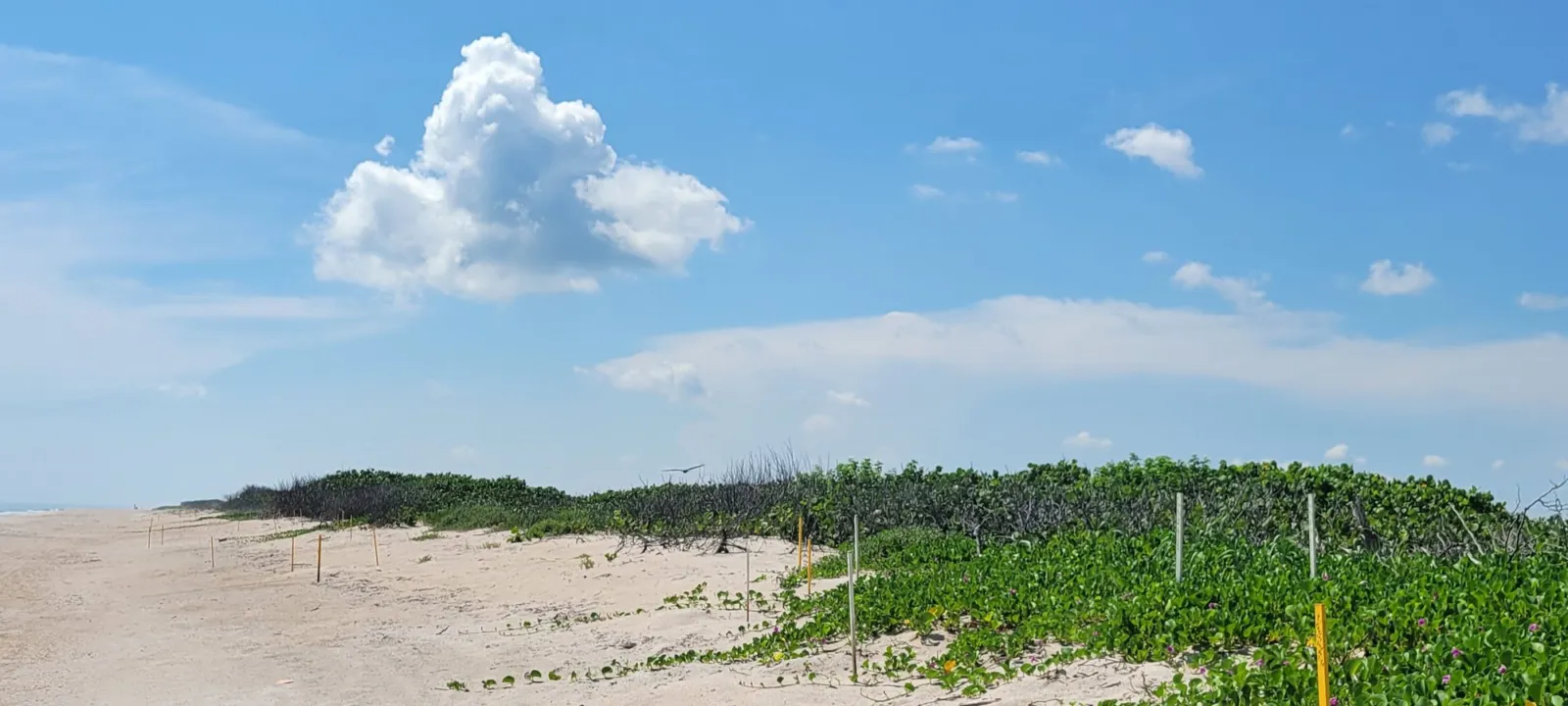
FWC publishes regional breeding-season windows by county because nesting begins at different times around the state.
For dog owners, this matters because beach access may remain open while:
- Nests are active
- Chicks are on the sand
- Temporary wildlife buffers are posted
The safest rule is:
Expect sensitive shorebird habitat from late winter through summer, and obey every posted closure or buffer.
Quick Florida Shorebird Nesting Calendar
Northwest Florida
Current FWC breeding-season dates:
February 15 through September 1
This includes:
- Bay
- Escambia
- Franklin
- Gulf
- Jefferson
- Okaloosa
- Santa Rosa
- Wakulla
- Walton
That covers destinations such as:
- Panama City Beach
- Destin area
- Pensacola area
North Central Florida
Current FWC breeding-season dates:
March 1 through September 1
Counties include:
- Citrus
- Dixie
- Duval
- Levy
- Nassau
- Taylor
This includes coastal areas around:
- Jacksonville
- Amelia Island
Northeast Florida
Current FWC breeding-season dates:
March 1 through September 1
Counties include:
- Brevard
- Flagler
- Indian River
- St. Johns
- Volusia
That includes destinations such as:
- St. Augustine
- Daytona Beach
- Ormond Beach
- New Smyrna Beach
Southwest Florida
Current FWC dates are generally:
February 15 through September 1
for:
- Charlotte
- Hernando
- Hillsborough
- Lee
- Manatee
- Pasco
- Pinellas
- Sarasota
Hillsborough spoil islands are currently listed as:
March 1 through September 1
This covers areas such as:
- Tampa Bay
- St. Petersburg
- Sarasota
- Fort Myers
South Florida
The start date varies more by habitat and county.
Collier County
February 15 through September 1
Monroe County
March 1 through September 1
Broward County
April 1 through September 1
Miami-Dade County
April 1 through September 1
Martin Coastal Beaches
April 1 through September 1
Palm Beach Coastal Beaches
April 1 through September 1
St. Lucie Coastal Beaches
April 1 through September 1
Some spoil islands and estuaries in Martin, Palm Beach and St. Lucie begin around:
March 1
What This Means for Dog Owners
A beach can legally allow dogs while birds are actively nesting.
Dog rules and wildlife-protection rules operate at the same time.
Use:
- Short leash
- Extra distance
- Slow walking
- Wildlife awareness
Posted Areas Override Your Normal Route
Temporary nesting zones may use:
- Rope
- Stakes
- Signs
- Fencing
Do not:
- Step over
- Walk dog through
- Let leash extend inside
Dogs Can Disturb Birds Without Catching Them
FWC warns that birds may perceive even leashed dogs as predators.
A dog can cause an adult bird to leave:
- Eggs
- Chicks
- Feeding area
exposed.
Watch Bird Behavior
Increase distance if birds:
- Fly up
- Call repeatedly
- Run away
- Dive toward you
- Gather around chicks
Keep Away From Colonies
FWC recommends maintaining substantial distance from nesting birds and large bird groups.
Around a known nesting colony, think in terms of hundreds of feet rather than a few leash lengths.
Beach Fishing
If fishing with a dog during nesting season:
- Stay far from colonies
- Do not cast around resting flocks
- Pick up every piece of fishing line
Photography
Use:
- Binoculars
- Zoom lens
Do not use the dog as an excuse to walk closer.
Best Seasonal Planning Rule
If your Florida trip falls between:
February and September
assume some shorebird nesting activity may be occurring somewhere on the coast.
Check:
- FWC
- County beach updates
- Local signs
when you arrive.
Related Guides
- Shorebirds, Nesting Season and Dogs
- Florida Birds Dogs Should Never Chase
- Sea Turtles and Dogs on Florida Beaches
- Best Pet-Friendly Beaches in Florida
- Florida Birdwatching With a Dog
Florida’s nesting calendar is long.
The good news is that dog-friendly beach trips can still work — as long as wildlife buffers are treated as real boundaries.
Sources
Wear this page
Pet Friendly Florida shirts, drawn to match what you just read. This is our own store, not an affiliate link.


