
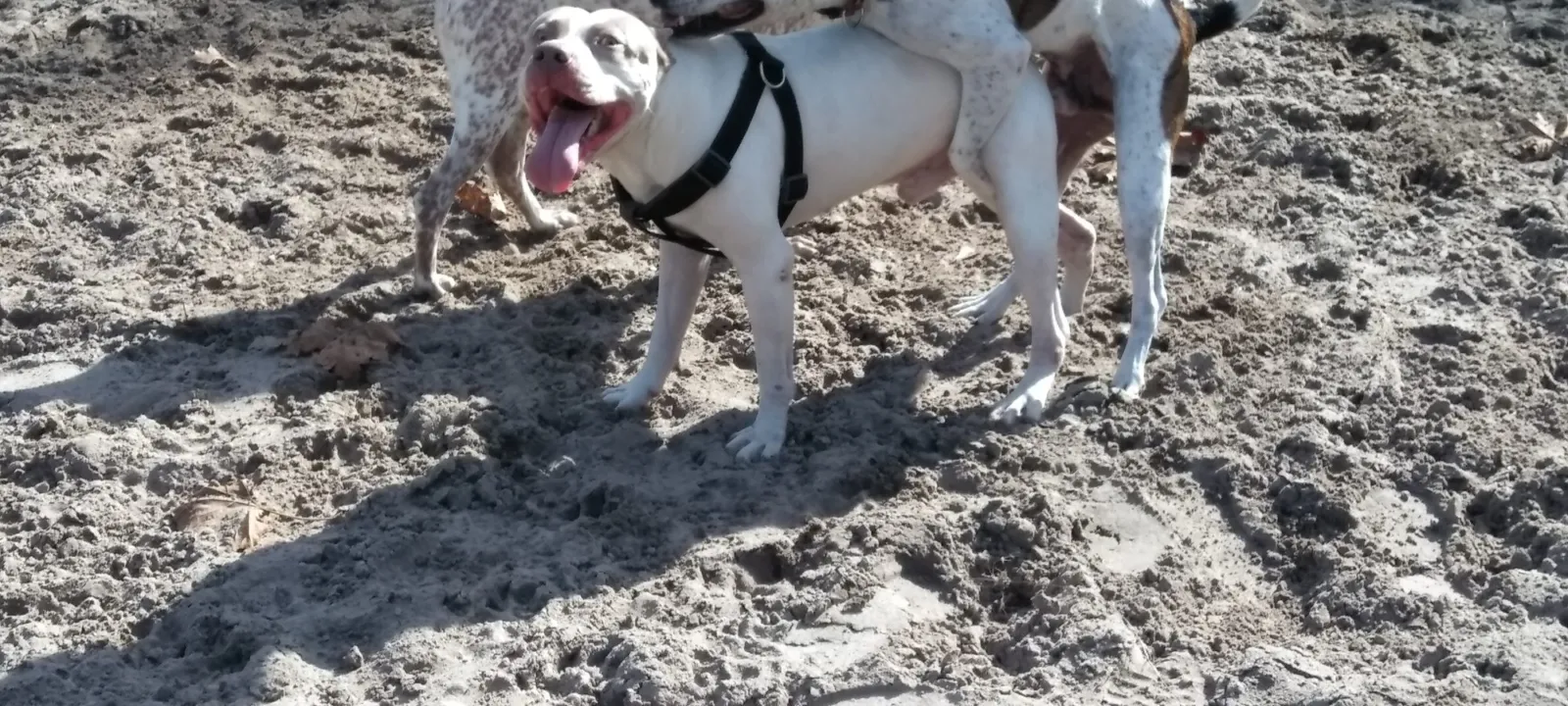
A dog turns up at your campsite, or trots down the shoulder of a county road ahead of your car. You stop, because everyone reading this site would stop. Here is what to do with it, and what Florida actually expects of you.
First, is it safe to catch?
A loose dog on a road is frightened and may bite. Open a car door and let it decide rather than reaching for it. Food helps. If it growls, cowers hard or snaps, do not force it – call the county’s animal services and stay to point out where it went. Animal control officers do this for a living and carry the gear for it.
If the dog is injured, call first. Several counties run an after-hours animal control line for exactly this – St. Johns County, for one, has an officer on call overnight.
Get it scanned for a microchip – today
This is the single step that sends most found dogs home. Any vet clinic, shelter or animal services office will scan for free, and you do not need an appointment. A chip will often produce a phone number in minutes.
A collar tag is even faster: call the number on it before you do anything else.
Report it, even if you plan to hold on to it
Florida does not have a finders-keepers rule for pets. A dog is legally someone’s property, and every county sets its own ordinance for strays: report the animal to animal services, and the county holds it for a set period so the owner can claim it. Hold periods run about three to five days in the counties we have looked at, and some exclude weekends and holidays.
What that means in practice:
- Call the county animal services and file a found report with a photo and the location, even if the dog is sitting in your kitchen. Owners call the county first.
- The county lost-pet page is where the owner is looking. Several counties post found animals online for a few days.
- Keeping a dog quietly because it seemed neglected is how good people end up accused of theft. If you think an animal has been abused, that is what Florida’s animal cruelty law and animal services exist for – report it.
Our county pet help pages list the animal services number and lost-and-found page for each county we have covered.
Can you keep it?
Sometimes, yes – but through the county, not around it. If the hold period passes with no owner, unclaimed animals become the county’s property and are adopted out – and many shelters will let the person who brought the dog in apply first. That route gives you a clean claim to the dog, a rabies vaccination and usually a microchip. Ask the shelter about its policy for finders when you file the report.
If you are traveling
Hotels, rentals and campgrounds have rules, and a found dog is still an animal you are responsible for. Before you load a strange dog into the car for a 300-mile drive home to another state, understand that you may be taking someone’s dog out of reach of the county that could reunite them. Hand it to the county shelter and file the found report. You can still ask to adopt it later.
Things that make you the good guy here
- Photograph the dog and the exact place you found it, with the time.
- Scan for a chip the same day.
- File the found report with the county, and post on a local lost-pet group.
- Keep it separate from your own pets until a vet has seen it – a stray can carry parvo, worms or fleas, and Florida counties do issue rabies alerts.
- Do not take it across a state line before the county has had a chance to find its owner.
One more thing worth knowing in hurricane season: under Florida law, abandoning an animal – including leaving it behind when a storm evacuation is ordered – is a crime. If you find a dog left behind during an evacuation, that is a call to animal services, and it is treated seriously.